 SOUNDTRACK: MASHROU’ LEILA-Tiny Desk Concert #543 (June 24, 2016).
 Mashrou’ Leila is a band from Beirut. And because I love this kind of thing, here is their name in Arabic script: مشروع ليلى
They are on their second ever tour in the U.S. They sing in Arabic but their music is full of rock and indeed dance motifs.
There are five members of the band: singer and lyricist Hamed Sinno, violinist Haig Papazian, keyboardist and guitarist Firas Abou Fakher, Ibrahim Badr on bass and drummer Carl Gerges. And the band make up is rather diverse:
Sinno is openly gay, and Mashrou’ Leila is well acquainted with the targeting of LGBT people. The band has faced condemnation, bans and threats in its home region, including some from both Christian and Muslim sources, for what it calls “our political and religious beliefs and endorsement of gender equality and sexual freedom.” And yet, when Mashrou’ Leila performs in the U.S., its members are often tasked with representing the Middle East as a whole, being still one of the few Arab rock bands to book a North American tour.
Their set took place on the morning after the dead club murders in Orlando (June 12), and since the band has had direct experience with this, they modified their intended set list.
I want their music to speak for itself, because it’s really good. But since it’s sun in Arabic, some context helps
“Maghawir” (Commandos), is a song Sinno wrote in response to two nightclub shootings in Beirut. In the Beirut incidents, which took place within a week of each other, two of the young victims were out celebrating their respective birthdays. “Maghawir” is a checklist of sorts about how to spend a birthday clubbing in the band’s home city, but also a running commentary about machismo and the idea that big guns make big men.
It begins with a low menacing bass (keyboard) note and some occasional bass (guitar) notes until the echoed violin plays some singularly eerie notes. Sinno’s voice is really interesting–operatic, intense and not really sounding like he’s singing in Arabic exactly. He has rock vocal stylings down very well, and the guttural sound of Arabic aids the song really well. I’m really magnetized by his singing. And the lyrics:
“All the boys become men / Soldiers in the capital of the night,” Sinno sings. “Shoop, shoop, shot you down … We were just all together, painting the town / Where’d you disappear?” It was a terrible, and terribly fitting, response to the Florida shootings.
For the second song, “Kalaam” (S/He),Sinnos says it’s about the way “language and gender work in nationalism. In Arabic, words are feminine or masculine and it’s about being in between while trying to pick someone up at a bar.”
Sinno dives deep into the relationships between language and gender, and how language shapes perception and identity: “They wrote the country’s borders upon my body, upon your body / In flesh-ligatured word / My word upon your word, as my body upon your body / Flesh-conjugated words.”
There’s interesting percussion in this song. And more of that eerie echoed violin. But it’s when the chorus kicks in and there’s a great bass line (which comes out of nowhere) that the song really comes to life. There’s a cool middle section in which the keyboards play a sprinkling piano sound and there some plucked violins. All along the song is catchy but a little sinister at the same time.
The final song, “Djin,” is based on Joseph Campbell’s archetypes. Sinno describes the comparison between Christian and Dionysian mythologies but it’s also about just about “getting really messed up at a bar.”
“Djin,” is a perfect distillation of that linguistic playfulness. In pre-Islamic Arabia and later in Islamic theology and texts, a djin (or jinn) is a supernatural creature; but here, Sinno also means gin, as in the alcoholic drink. “Liver baptized in gin,” Sinno sings, “I dance to ward off the djin.”
It has a great funky beat and dance quality. The way the chorus comes in with the simple backing vocals is great.
There’s some pretty heady stuff in their lyrics, and that works on the level of their band name as well:
The most common translation of “Mashrou’ Leila” is “The Night Project,” which tips to the group’s beginnings back in 2008 in sessions at the American University of Beirut. But Leila is also the name of the protagonist in one of Arabic literature’s most famous tales, the tragic love story of Leila and Majnun, a couple somewhat akin to Romeo and Juliet. Considering Mashrou’ Leila’s hyper-literary bent, it’s hard not to hear that evocation.
I hope they get some airplay in the States. Sadly their album is only available as an import, but it is downloadable at a reasonable price.
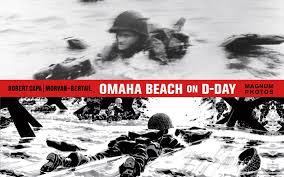
[READ: June 10, 2016] Omaha Beach on D-Day
Nobody picks up this book for fun. I mean, look at that title. You know this isn’t going to be a laugh. But it is an amazing book and I think perhaps the title does it a bit of a disservice.
This book is not exactly about the massacre that was Omaha Beach on D-Day. It is about that certainly, but the book is really about Robert Capa, the photographer who took the most iconic photos of Omaha Beach on D-Day. This book is far more of a biography of him than an account of the war. And in typical First Second fashion, they have made a gorgeous book full of photorealistic drawings that really exemplify the work that the book describes.
The book opens in Jan of 1944 with Capa carrying bottles of champagne amid the burned out wreckage of war. He is bringing the celebratory drink to his fellow reporters who have been hiding out for a few days. Capa says he is leaving for London. (more…)
Read Full Post »
 SOUNDTRACK: ORQUESTA AKOKÁN-“Mambo Rapidito” (2019).
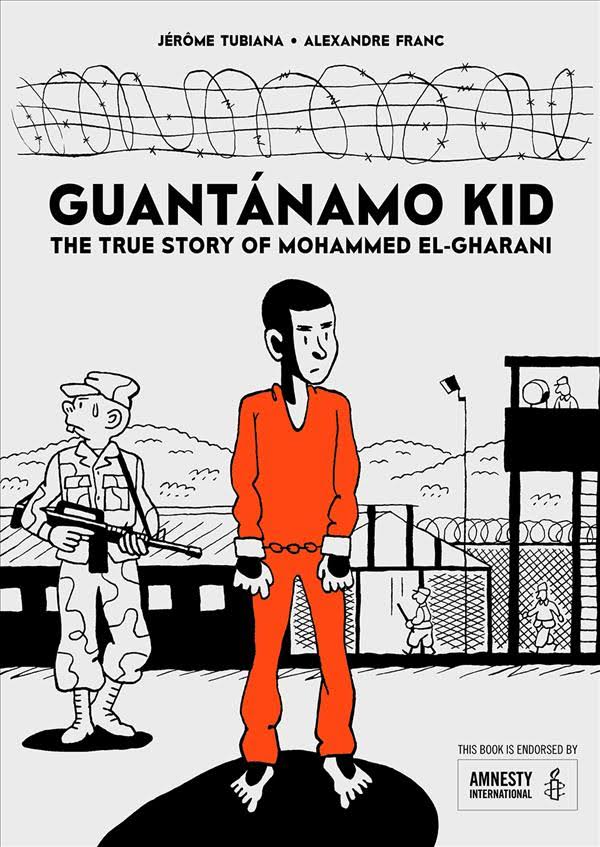
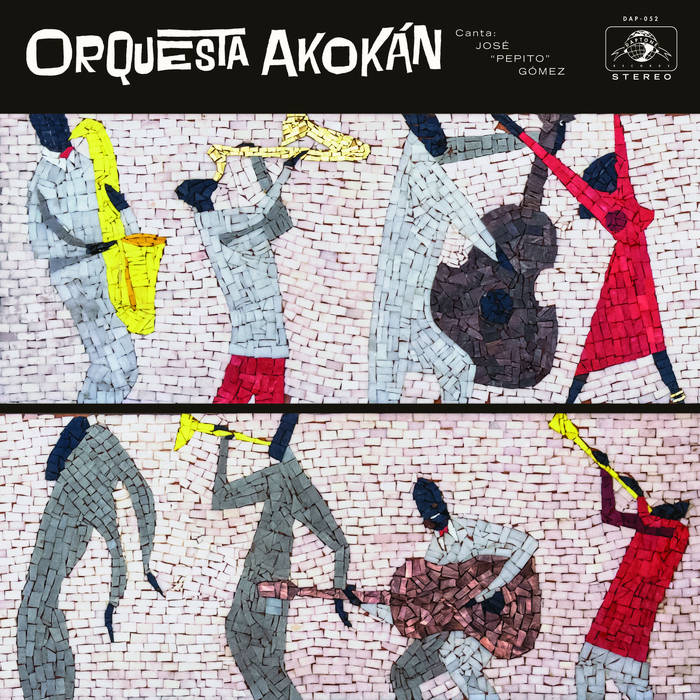 Since this story is about something shameful in Cuba, I thought I’d tie it to something that is wonderful in Cuba: Orquesta Akokán






 I Just Read About That...