 SOUNDTRACK: TREY ANASTASIO & TOM MARSHALL-Trampled By Lambs and Pecked By the Dove (2000).
 This album is a collection of songs that Trey Anastasio and Tom Marshall recorded in a bunch of barns in Vermont back in 1997. Most of the songs later appeared on the Phish albums The Story of the Ghost [GHOST] and Farmhouse [FARM]. A couple were recorded by Trey on his solo albums [TAB] and some were never properly recorded but have been played live many times [Live].
This collection was released in 2000 after the two proper albums came out and they give context for the songs and show just how fully formed most of the ideas were when the band recorded them.
“Brian and Robert” [GHOST] This version has a keyboard melody and backing washes. “Limb by Limb” [GHOST]sounds a lot like the final product (same guitar sound) although Tom’s backing vocals aren’t anywhere near as good. “Blue and Shiny” is a jazzy guitar song with the two singing in harmony. It has apparently never shown up anywhere else.
“Twist” [FARM] is slower than the original but with all of the parts including the “Whoo!” “Wading in the Velvet Sea” is a bit slower and of course less full than the final version. There’s sirens in the background which I can’t decide if they are intentional. Although the liner notes say they were hundreds of miles from anyone else, so it’s unlikely they were police driving by.
“Farmhouse” [FARM] sounds just like the record except that Tom sings and the notes are a bit high for him. “Saw It Again” [Live] is one of my favorite raw Phish songs. I love hearing it every time they play it. Although they’ve never recorded it for an album. This original version has the raw guitar sound and chanted vocals–a kernel of the final product.
“Piper” [FARM] is a 48 second nugget. But it showcases the vocals in the round that are so awesome in the song. “Flat Tornados” is another 48 second track. But this one is just drums and a synth melody–nothing substantial. “I Don’t Care” is a minute long guitar piece. Apparently it was played live twice and then never again.
“Windora Bug” [TAB] is an a capella piece of looped vocals (“Is that the wind. Or a bug? It’s a windora bug.” The TAB version stretches out for ages and has a reggae feel. “No Regrets” is a goof–lots of laughing and silliness over a heavy two note riff for all of 90 seconds.
“Water in the Sky” [GHOST] sounds the same except that they music here is more circusy than the final product. But the melody and vocals are the same. “Heavy Things” [FARM] sound pretty much the same, although with an acoustic guitar and no repeated high notes on the guitar (it’s nice to see that some things are still added afterward).
“Never” {TAB] is a pretty song with a quiet melody on synths. “Vultures” [Live] is a quietly sing song with piano and guitar in a jazzy melody.
“Ghost”[GHOST] sounds very very different from the final version. The vocal melody is the same but the guitar style is way different (the final product is much better). “Dirt” [FARM] feels like the full song. It’s quiet with whistling and a nice guitar solo. “Driver” [FARM bonus] also sounds complete played on a quiet acoustic guitar.
“Sleep” [FARM] has the lovely guitar melody and gentle vocals. “Olivia’s Pool” was later recorded on [GHOST as “Shafty”]. This is a bouncy jaunty jazzy version which is sung as “oblivious fool.” “Somantin” is a full song (over three minutes long) but was never recorded anywhere else and has not been played live. It’s mostly vocals in a round so I guess there’s not much to it.
“Bug” [FARM] is fully realized with guitar licks and piano riff all in place. “Name” is a 2 minute quiet, simple country-sounding song. I’m surprised he hasn’t recorded it on a solo album. “Dogs Stole Things” [live] has never been recorded but it gets a lot of live workouts. This version is slow and sloppy (although not that different from the live version).
This collection is really for die hards or people who like to see songs evolve.
[READ: May 9, 2020] “Deep Wells, USA”
This is the third time I’ve read this story. The previous two times it didn’t really click with me, but this time I really liked it.
Word is out: A baby has been lost in a well! The story has XXI sections (and an epilogue) in which we get to hear input from dozens of people involved directly or not with this crisis.
It is set up like a play, sort of, with “characters” speaking dialogue. It begins with a Celebrity saying there is an unconfirmed report of a baby in a well. Consumer: “Hot damn. I love well babies.” And off we go.
The first eyewitness describes the baby as drunk with tattered clothing who fell in a box with sand in it. That’s not a baby in a well. That’s a wino in a sandbox. (more…)
Read Full Post »
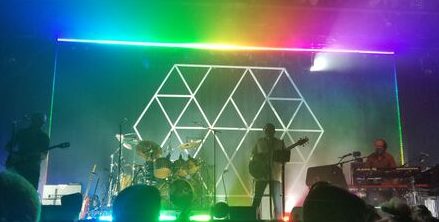
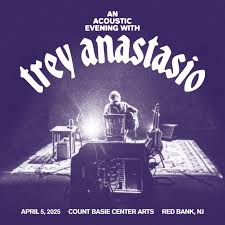 I’ve seen Phish nearly 2 dozen times. I’ve seen the Trey Anastasio Band twice. I’ve only ever seen Trey solo once. I wasn’t planning on going to this show when it was announced on April 5. Plus it sold out in a second.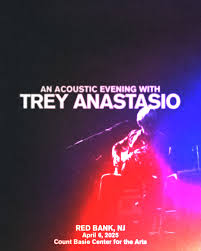

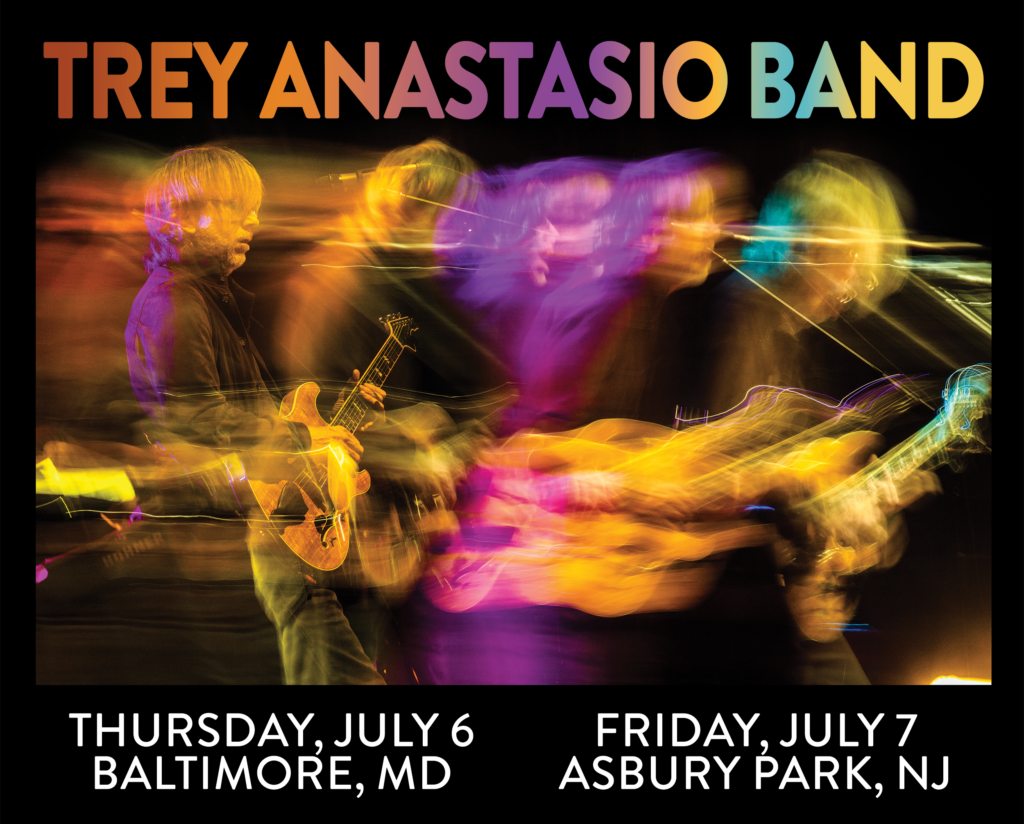


 I have seen Trey Anastasio once solo at Newport Folk Festival (amazing) and with the Trey Anastasio Band (super fun). I didn’t expect him to tour so soon because Phish is playing in Atlantic City this summer. So it was great to see that he was going to do two shows this summer.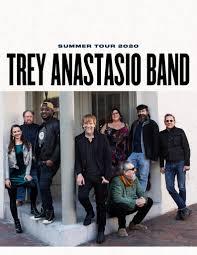







 I Just Read About That...