 SOUNDTRACK: DJANGO DJANGO-“Default” (2012).
 This song was featured in a post on NPR’s All Songs Considered site on July 31. Django Django are a Scottish duo and they sound very retro. The two guys sing in close harmony that is more of an echo than a harmony. The music is mostly very old-sounding guitars–big and unprocessed–and yet the rest of the track is quite processed and electronic.
It’s a simple, straightforward song (with some cool effects). The NPR write up about them says that they are more of an electronic band, although this song doesn’t really suggest that (except in the middle section where the sounds are manipulated in a cool way). I’m not sure if I’m all that interested in the rest of the album In fact, after a few listens, I’m not as excited by this song as I initially was. But it’s still fun.
[READ: July 31, 2012] The Rector and the Rogue
The Collins Library is back! And since this seems to be the summer of non fiction, I decided to read it now. I have loved every Paul Collins book so far in the Collins Library (old, out of print and forgotten titles that Collins resurrects) and this one–which I admit seemed questionable–was just as wonderful as the others. The Rector and the Rogue details a much-forgotten episode of a grand-scale prank–the systematic public abuse of Dr Morgan Dix, Rector of Trinity Church by a trickster known as “Gentleman Joe” in 1880. Yes, 1880.
Swanberg told the story, eighty years later, as a rather gripping tale. The afterward explains that he just happened upon some information about the story and needed to know more. So, he did the research and compiled first an essay and then this (reasonably short) book.
And so he begins his tale without letting the audience know what they are in store for (just like Dix had no idea what he was in store for). One morning in February 1880, Rev Dix opened the door to see a safe salesman from Acme Safe in downtown Manhattan. The salesman says that Dix inquired about safes. Dix had done no such thing and sent the man on his way. Then a man from a local girls’ school rang the bell and said that Dix’ charge was more than welcome to attend. Dix had no daughter or interest in the school. The schoolmaster showed him a postcard from Dix which asked for information. The postcard was not his own (obviously) and was not in his handwriting (obviously). Then came a man selling two horses, replying to his postcard…. This went on all afternoon.
The afternoon mail was full also of responses to similar inquiries–about wigs, dance lessons, kitchenware, etc.
And so began the botheration of Dr Dix. (more…)







 SOUNDTRACK: ISLANDS-Arm’s Way (2008).
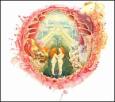 I enjoyed Islands’ first album (and, in a weirder way, their earlier band The Unicorns). This album seems to have made a lot of 2008 Top Ten or at least Top Fifty lists. What’s so strange about the whole affair is that I absolutely love the first 8 songs on this disc, and based on those alone, I would put it on my top ten as well.
 I finally decided I had something worthwhile to add to Wikipedia. Since I have been writing so extensively about McSweeney’s Books, I decided to create a more or less comprehensive list of all of the books that they have published. (I once asked a McSweeney’s rep if he had a list and he said he didn’t think anyone there did, which was somewhat surprising). Anyhow, I used my librarian access and knowhow to create the chart on
 SOUNDTRACK: THE FLAMING LIPS-In aPriest Driven Ambulance (1990).
 This is where the Lips really hit their stride. While they are still experimenting with sonic noises, the dedication to songcraft takes precedence. It’s as if they wrote cool songs first and then fiddled with them, rather than using the fiddling as the main focus. The album is divided into two sides: Smile Side and Brain Side. Amusingly all songs are listed as being 3:26 long, and yet none of them actually are.
 SOUNDTRACK: THE FLAMING LIPS-Telepathic Surgery (1989).
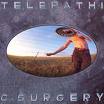 Although the overall sound of the Lips on this disc isn’t that much different, the band sounds more accomplished. Rather than just banging out songs in a garage, this one sounds like a bunch of guys banging out songs in a studio and then experimenting the hell out of them. In fact, the experimentation often takes over the quality of the song itself. Wikipedia states that this album was originally going to be released as a thirty minute sound collage, although that was modified to what we now have, and that makes some sense. This experimentation will certainly pay off in later years as the Lips hone their studio skills.


 I Just Read About That...