 SOUNDTRACK: LE FLY PAN AM-
 Ceux qui inventent n’ont jamais vécu (?) [CST019] (2002).
After their previous EP, Le Fly Pan am (note the addition of the Le) come back with an album that can be described as funky. True, it’s weird funky that gets dismantled while its going along, but it’s still pretty funky.
They wouldn’t be them if there weren’t some crazy noises. And so the first song (parenthetical translations are from Wikipedia), “Jeunesse sonique, tu dors (en cage)” (“Sonic Youth, You Sleep (In a Cage)”) is just noise and static for 90 seconds before leading to the first song proper:
“Rompre l’indifférence de l’inexitable avant que l’on vienne rompre le sommeil de l’inanimé” (“Break the Indifference of the Inevitable Before We Come to Break the Sleep of the Inanimate”) which kicks in with a really funky bass guitar and drum section. It’s really catchy and almost danceable. But throughout the song’s ten minutes there are elements of destruction going on. There’s screeches that sound like a dentist’s drill. About a minute in, the guitars just seems to stop playing riffs and just tart going crazy–playing loosened strings and just random notes like a beginner (even though the original rhythm is still there). That funkiness stays for about 5 minutes until the songs shifts gear into a loping melody with a big bass and simple repetitive guitar lines. And then it kind of falls apart all together with some sounds like broken strings and lots of chatter (in French). At 7 and a half minute it resumes at breakneck speed with the drums and bass pounding away and all kinds of effects splashing on top. The song ends with low rumbling noise before jumping into….
“Partially sabotaged distraction partiellement sabotée” (“Partially Sabotaged Distraction Partially Sabotaged”) This song opens with a four-note, slightly off-key guitar and then loping bass riff that reminds me of SST Records bass guitar of the 80s. It switches between this and a slightly funkier sounding section. But the destruction is apparent from the get go as early in the song, the sound just completely drops out on a couple occasions, making you think the disc is broken (it isn’t). The song starts to get more intense as the notes seem to get faster and more insistent (those repetitive notes and ringing guitars just seem to scream tension).
“Univoque/Équivoque” (“Univocal / Equivocal”) opens with static and then a very funky bass line. There a music box playing over the top and some quiet guitars. About half way through the bass ends but the music box (tiny and distorted) continues. At 3:30 a new bass line, similar to the previous but with a new section added pops up. It’s a simple song showcasing their groove and their noise.
“Arcades-Pamelor” starts with low distorted noises. Like the first “song” this is mostly sound effects and things slowed down. Until a screaming noisy static takes over about half way through. It’s really quite unpleasant.
“Sound-support surface noises reaching out to you” opens with another funky bass and drums and some simple guitar notes. About a minute in a sound emerges that sounds like a skipping CD (but it’s not your CD). And then a new, different bass pattern emerges with lots of noisy percussion(sounds like people banging things). The skipping sounds seems to work as a segue between section, with some great funky parts and and then the final section which opens with what sounds like a mildly out of tune guitar ran and more great bass. This really enjoyable section winds up glitching to a halt with the sound of a skipping record player.
“Erreur, errance: interdits de par leurs nouvelles possibilités” (“Wandering Error: Prohibited by Their Opportunities”) has the sounds of sticks clacking together and silverware dropping and mechanical sounds. And they all seem to somehow settle into a rhythm of piano notes. Unlike the other tracks this one is pretty consistent—strange noises and a simple piano motif. It’s also probably the least interesting of the bunch.
The disc ends with “La vie se doit d’être vécue ou commençons a vivre” (“Life Must Be Lived or Begun to Be Lived”) another great, funky bass and piano line, with some interesting guitar sounds round the corners. This song is so catchy, it’s wonderful. After about 2 minutes there’s another breakdown. The music all stops except for the guitars which sound like they are getting strangled. The second half of the song has the same funky bass but very different guitars and lots of squeals and feedback. After a couple more glitches at 6 minutes in, the bass takes off playing fast rocking riff as the guitar tries to keep up. It’s such a satisfying ending that it’s hugely disappointing that it only last 45 seconds before the album ends.
While it was always obvious that Fly Pan Am were going to play weird experimental stuff, it wasn’t clear before just how funky and dancey they could be too. If you can handle some noise in your dance, this is a great album.
[READ:January 10, 2016] Red Handed
I absolutely loved this graphic novel.
I had never heard of Kindt before and I didn’t really know what to expect from the book, but I certainly didn’t expect the complicated and super clever plot and structure that this book had.
It opens with a newspaper story that tells us about Detective Gould’s ten years on the force. Since his arrival there have been no unsolved murders. He credits the rise in technology for his success. (continued on A12) and then it moves into the graphic format. It is headed Detective Gould (in black and white). Then it shows some mug shots of suspects in color. And it turns out that these people’s stories will comprise the bulk of the book.
The next chapter opens with a woman fleeing a diner with a stool. She worked there and is told the stool is coming out of her paycheck,. We learn that stealing chairs is kind of her thing. And then we see what her next acquisition after this stool is.
The next chapter is called the Jigsaw and it involves a man who is an art dealer. As the story opens he steals a giant painting form a woman he has picked up at a bar. And then we learn what he did with it and how he made his reputation.
After he is caught, the story shifts to a series of dialogue boxes on a black background in which Sgt Gould is speaking to a woman who Sgt Gould assumes is connected to all of the cases in the book. She is playing innocent and has explanations for everything.
After this there is another black and white section designed to look like newspaper stories of The Detective’s Wife (in which the two are sweet together) and then Tess’s True Heart in which we learn that Tess (whoever that is) is a very smart girl.
The next chapter is The Ant in which an artist wants to tell a story told from the point of view of an ant. But since the ant cannot write, it must collect letters from the newspaper. This turns into an art installation in which the author’s editor begins finding the words all over town and using them to tell the story (it’s much more convoluted than that and really clever). Then we learn that Tess is the author’s editor–the first connection is built.
And after that short piece, we see more black and white stories from Detective Gould and Tess’ True Heart.
The next chapter is The Forgotten about a sleight of hand magician who has stopped doing magic and has become a pickpocket.
The Repair Man is about an elevator repair man who takes pictures up women’s skirts when they are stuck between floors. And then he begins selling them to a smut dealer. The way these pictures connect to the rest of the story is amazing.
The next section is The Performance Artist in which a woman is set up to look like she is cheating on her husband (elaborate ruse once again).
The Escape Artist tells the story of a car thief and how so many thieves think they are going to stop but they are afraid of losing the rush. Well, this guy retired for real. Until he ran into Tess. He knows from long ago. And she brings him back to the city.
Finally, The Fire Starter is about a guy who gets paid to start fights with the intention of a payout coming somewhere down the line.
The last fifty or so pages show how all these crimes, all these cases solved by Detective Gould, are tied together. And the way it is told just gets more and more interesting.
This was an outstanding book. I loved the art and design–the various ways that the medium was used to tell the story. I loved that it was confusing but not too confusing and that it unraveled in the way it did. I really can’t say enough about this book. This was another big win for First Second in their #10yearsof01 celebration.
Read Full Post »
 SOUNDTRACK: SANDRO PERRI-Spaced Out EP [CST101] (2013).
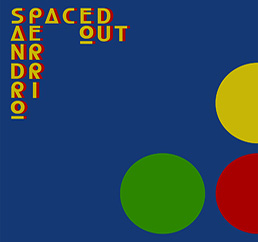 Sandro Perri, plays jazzy music and sings in a gentle falsetto. I really enjoyed his album Impossible Spaces a lot. This 10″ EP is composed of 3 remixes from that album. I happen to really dislike remixes that basically take one aspect of a song, add drums to it and repeat for 5 minutes. Most dance remixes are pretty inane. These are a step above that.









 SOUNDTRACK: SONG OF THE SILENT LAND (2004).
 This is a compilation from Constellation Records. It features mostly unreleased tracks and turns out to be a great sampler for both the fan of the label and the novice.
 I Just Read About That...