 SOUNDTRACK: REV SEKOU AND THE SEAL BREAKERS-Tiny Desk Concert #765 (July 10, 2018).
 I was not at all interested in a preacher and his church band, but wow these guys rock.
Rev Sekou says that the Seal Breakers are from Brooklyn but he’s from Arkansas. I didn’t like the way he started the show by talking about his grandparents who worked from can’t see morning to can’t see night and then they’d go to the juke joints and then to church on Sunday. I thought it was going to be rather preachy (he is Pentecostal) but no,
Rev. Osagyefo Uhuru Sekoum this author, activist, intellectual, pastor and singer tosses off his large-brimmed, black hat, shakes his dreadlocks and demands freedom with these words: “We want freedom and we want it now!”
Do you wanna get free? He sounds like Richie Havens at Woodstock–gravelly voice but with a preacher intonation. The song has got some gospel flow but with a roaring distorted electric guitar. It’s got a big catchy chorus and a wailing guitar solo.
Resist! Resist when they tell you what you can and can’t do.
Before the second song, he says he went to Charlottesville to organize against the white supremacist march but they couldn’t leave the church because of the Nazis.
When he went outside, he watched Heather Heyer take her last breath. He says this is an anthem for Charlottesville called “Bury Me.”
he recalled the horrors of the white nationalist march in Charlottesville, Va. last summer. He said he spent weeks in preparation, organizing clergy for what he says was “the largest gathering of white supremacists in modern history,” then watching the activist “Heather Heyer take her last breath” after she was struck by a car that plowed into a crowd of marchers. The song “Bury Me” is a bluesy anthem to freedom that honors those who have died in that struggle for racial equality and freedom. In his free-form preamble to the touching ballad, Rev. Sekou works himself into a passionate frenzy, before airing his intense indignation for President Trump.
Bury me in the struggle for freedom…say my name. He powerfully sings the names of people who have died in racially motivated hatred. There’s power in the name.
The songs with a chorus of “This Little Light of Mine, I’m gonna let it shine,”
The Rev. says they need to leave that one, “I’m Pentecostal, I can go 2-3 hours, but I don’t think Brother Bob wants us in here that long.”
The end with “The Devil Finds Work” which opens with bluesy piano.
After two minutes it becomes a big clapfest as suddenly The Saints Go Marching In. They swing, and Rev. Sekou and we pray that you get free and he walks off while the band finishes.
Osagyefo Sekou (Vocals), William Gamble (Keys), Reggie Parker (Bass), Cory Simpson (Guitar), James Robinson Jr. (Drums), Gil Defay (Trumpet), Chris McBride (Saxophone), Brianna Turner (Background Vocals), Rasul A Salaam (Background Vocals), Craig Williams (Percussions)
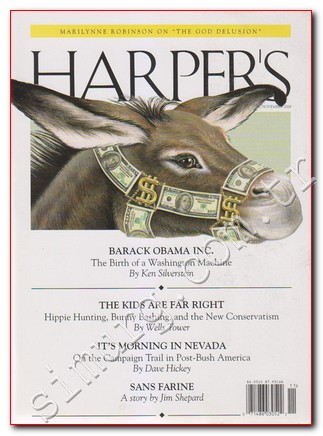
[READ: January 25, 2018] “Company Towns”
This is an excerpt from “Work and Industry in the Northern Midwest.”
I’m not really sure what to make of these three short stories about work. I found them rather comical because each supposedly normal business event ended in some kind of peculiar death.
The Whitefish Bay Merchant and Traders Bank
In 1947 the narrator traveled from Interlakken Switzerland to Whitefish Bay, Michigan to check on a bank that his father had acquired in a set of financial trades). The bank had become extremely profitable and his father wanted to know why. He flew to the states, stopped for two weeks in New York and another week in Cleveland before getting to Michigan. The employees were quite jovial–in fact the guy who picked him up shared a flask with him–they were both drunk by the time they got home. They also had a very formal, fancy diner. The bank made its money because of an ambitious cook. He helped to innovate the short line cooking process–a way to cook for 100 men quickly. He was aided by a chef who ensured they used quality food. The bosses didn’t think the employees needed this kind of delicious food, but when they saw how much it improved morale and didn’t cost that much they were on board. And the bank, in addition to giving them a loan, took a 20 percent stake in the firm and they made a ton of money.
The narrator asked to meet these men but both had recently died. One from drinking something he shouldn’t have and the other was involved in a shooting– the details are what makes the deaths amusing, if not really funny. (more…)













 I Just Read About That...