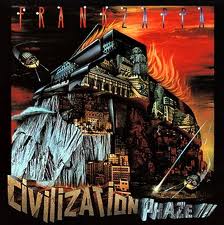
 SOUNDTRACK: FRANK ZAPPA-Civilization Phaze III (1994).
 There were a number of choices for soundtracks for this week’s read. I could have chosen the Andrew Sisters (and their wonderful “Don’t Sit Under the Apple Tree”) who get a mention in the book. And, of course, I could have chosen Elton John’s “Rocket Man.” But, when I read Trudi tell Magda about her boyfriend Gustav who wants to live inside a piano, well, it was hard not to think of this, Frank Zappa’s final work.
Civilization Phaze III is an opera-pantomime. According to the libretto, “The speaking characters all wear oversized masks, gloves and shoes. They live in an abstracted grand piano….” And musically opens with this introductory spoken passage:
FZ: The audience sits inside of a big piano and they listen to it grow.
Spider: People are going to sit inside of a piano. They’re going to listen to this piano grow.
John: They’re going to listen to the piano grow?
Civilization Phaze III was released posthumously in 1994. But here’s the weird thing. Most of the sessions of “piano people” dialogue were recorded in 1967. Zappa had a bunch of people come into the studio, sit under a piano that was miked and improvise dialogue (sounds like the 60s to me). He released some of this dialogue on his late 60s albums, but as far as I can tell, the parts about the piano were never included (in Lumpy Gravy someone talks about wanting to live in a drum). I’m also not sure how well-known the “piano sessions” were at the time.
So, here’s the question…did Zappa influence Pynchon or did these two people come up with the same idea at roughly the same time. The reason Zappa put off using the material recorded in 1966 was because technologies were simply not advanced enough to let him manipulate the dialogue so it would sound decent, much less coherent. So Civilization Phaze III became his exploration of the past with contemporary technology.
He also recorded new spoken dialogue in 1991 and merged the two. It’s an interesting idea, but I fear that the new dialogue absolutely misses the vibe of the earlier dialogue. In the early dialogue, they all sounds like they’re stoned and are talking crazy nonsense about horses, smoke and music. The later dialogue is much more abrasive (especially Michael Rappaport, the only person who has since gone on to renown). At the time, Rappaport had been on one TV show as a guest, but by now he is too famous for this. I find him a distraction (not Zappa’s fault obviously), even more so because he talks as if he is black (he says “Nobody said nothin’ when y’all bought my people, right?”) while he is demonstrably not. And then ruins it contextually by mentioning Yo MTV Raps, the only thing that places the story in time. It’s weird that Frank wouldn’t have a black person say these lines, especially since he has so many other races and nationalities represented in his music. But maybe that’s me intellectualizing that I just don’t like Rappaport.
So, what’s this monstrosity about? I have no idea. Improvised stoner dialogue from the 60s is pieced together into a kind of story. Occasionally Frank’s voice chimes in and prompts them to talk about certain things (which is quite disorienting). And the whole “plot” well, I’m not even sure if it can be called a plot, but Frank tries to cobble something together–again, the 1991 dialogue seems to be more pointed, more about conflict, possibly something about overcrowding and racism, and there’s certainly some social criticism at work, but as for a story, well, not so much.
The music, on the other hand, is the culmination of Zappa’s more experimental, atonal “classical” music. Most of the first disc is performed on the synclavier while most of the second disc contains more actual musicians. The music is difficult and not to everyone’s tastes, for sure.
Atonal music is far more intellectual than visceral, so it’s hard to “enjoy” this music. Zappa obviously knew how to write catchy poppy friendly music, so this is a deliberate attempt to write something more challenging. I like Zappa’s crazy music in small dozes, so listening to this entire thing (over 2 hours) can be a tough in one sitting. But each piece (especially the two really long pieces “N-Lite” (18 minutes) and “Beat the Reaper” (15 minutes) ) showcases something interesting or satisfying.
The libretto that Zappa includes with the discs explains the story in far more detail and shape than one would ever get from listening to the music. Without the book, you would know that this is a dark and moody piece, but with the book, you can actually see what the music is showing. That may be a flaw, or that may be the way of a staged performance. I have no idea if it was ever staged.
There are certainly easier introductions to Zappa’s music.
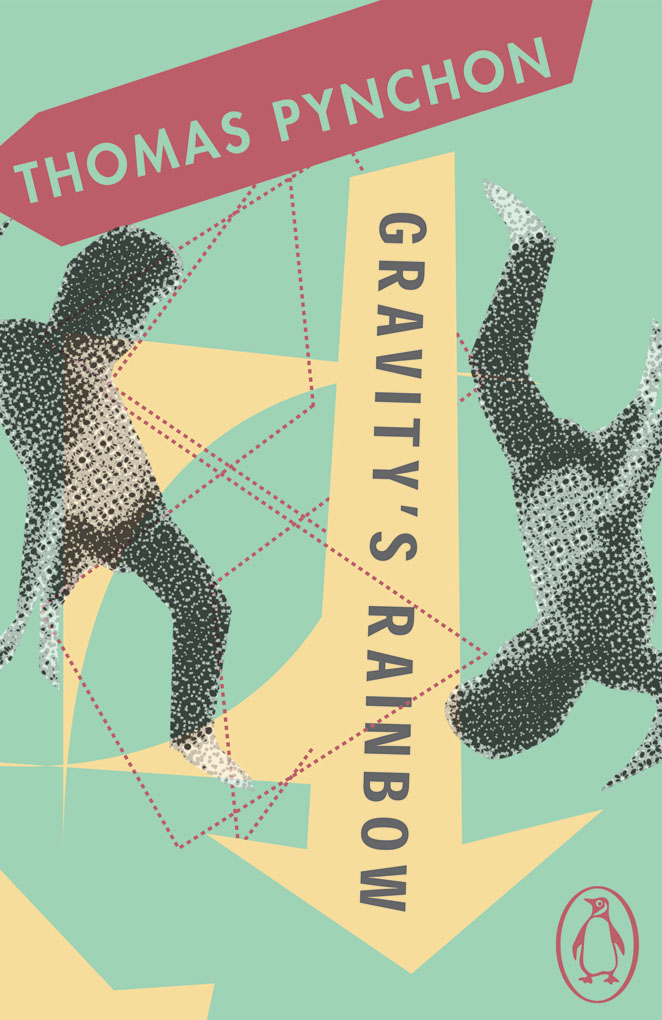
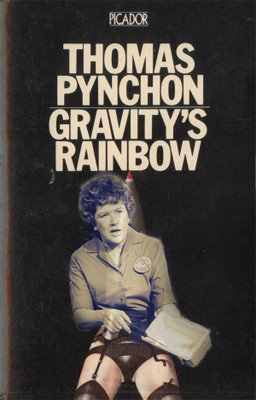
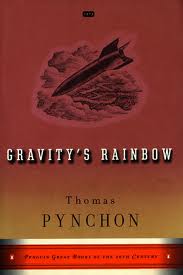
[READ: Week of March 26] Gravity’s Rainbow 3.6-3.10
Last week was a bear of a read for me, but this week was so fast (and short) that I just kept going because I was so into the Slothrop story (I won’t go past the spoiler line, I promise). And yes, it’s (almost) all Slothrop this week.
Section 3.6 begins with Slothrop violently ill. [I admit I don’t think of novel characters as getting ill very much–unless it’s a plot point–but surely characters get colds and tummy aches just like everyone else, right?]. He drank out of an ornamental pond in the Tiergarten–but, duh, everyone knows to boil water before drinking these days. This also introduces Slothrop as Rocketman, something we won’t get more details on until later. (more…)
Read Full Post »
 SOUNDTRACK: LUDWIG VAN BEETHOVEN-“Für Elise”
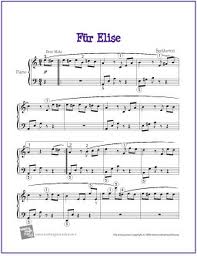 I didn’t know a lot of the music mentioned in this book, but like most people, I know and enjoy “Für Elise.” It’s an interesting choice of music to end such a crazy chaotic story, although I suppose there are some less than peaceful moments ion the song too. It’s a shame Bast never gets to play it.











 I Just Read About That...