 SOUNDTRACK: THE DUCKWORTH-LEWIS METHOD-The Duckworth Lewis Method (2009).
 This is a CD released by the combined forces of Neil Hannon of The Divine Comedy and Thomas Walsh of Pugwash. And if that weren’t enough of a sales pitch, the title of the band is a method of calculating cricket scores! And even more…in concordance with that, this CD is largely about cricket. Huzzah! Buncha sellouts.
I don’t know a thing about cricket, but I know about great orchestral pop, and this disc has it in spades. Some of the more obvious cricket songs are even understandable to non cricketers (the themes of “Jiggery Pokery” are familiar to anyone who has failed in a sport–and musically it sounds like a silent film soundtrack).
“The Age of Revolution” begins with an olde-fashioned soundtrack as well (jazz swing, including tap dancing) but quickly jumps into a dancey discoey verse (the two soundtracks blend surprisingly well in the chorus). And the revolution? Well, it has something to do with cricket. Next, “Gentlemen and Players” is a wonderfully Divine Comedy-esque track complete with harpsichords.
“The Sweet Spot” is another discoey dancey track with some funky bass work (and innuendo whispered vocals). And “Rain Stops Play” is a fun musical interlude.
“Mason on the Boundary” is the first track that seems distinctly Pugwash-y. Hannon and Walsh have similar singing styles, and I find it hard to know who is who sometimes. But this track is clearly Walsh’s and it’s very nice indeed. Similarly, “Flatten the Hay” has that distinct Pugwash XTC/Beach Boys vibe and it’s quite good.
“The Nighwatchman” is also a very DC type song (it even sounds a bit like “The Frog Princess” but pulls away before being a repeat of that great single by introducing some very 70s sounding strings). The rest of the disc follows in this same wonderfully orchestrated pop feel. This a great record that, as far as obscure bands that get no statewide attention go, is top notch.
Oh, an it’s even more fun with headphones!
[READ: October 9, 2010] Skippy Dies
Wow, there’s a lot going on in this book. It’s exhausting just trying to think of all the topics covered: boarding school life, failed romance (two big ones), life as a teacher, the appeal of pop singer Bethani, the Catholic priest sex scandal, drugs of all kinds, sneaking into a girls’ school, World War I, institutional cover ups, M-theory–which is pretty much the entire universe, and donuts.
But let’s start at the beginning. Yes. Skippy dies. In the first couple of pages. And what’s fascinating about this is that we don’t care. I mean, in the scene where he dies, he’s not even the major character. But then Skippy turns out to be more or less the glue of the book once the story proper begins.
Skippy resides at Seabrook school in Dublin (the best, most prestigious Christian academy in the country–sorry Gonzaga). His roommate is Ruprecht (perhaps the strangest major character name I’ve read in a long time). Ruprecht is a large boy who is incredibly smart (he will single-handedly raise the school’s average on the year’s final exams). He is a computer geek who is obsessed with aliens and SETI. And he hopes to be able to communicate with the other world by using techniques suggested in M-Theory. The book does an admirable job explaining M-theory and string theory. I’m not going to take up space here, but there’s a fine description at Wikipedia (or, if you don’t like Wikipedia, here’s an academic explanation that is written for the lay person).
Anyhow, Skippy and Ruprecht are two of a few dozen boys who reside full time at the school. (Most of the other kids are day students). And they have a cadre of half a dozen friends that they hang out with who make jokes at each other’s expense. It’s a very realistically written entourage. Mario is Italian and claims to have had sex with many many women (thanks to his lucky condom which he has had for three years). Dennis is the ballbreaker. He’s the abusive one (but by most standards, he’s not a bad guy). And a few other hangers on.
This story of dorm life is a good one. The boys are funny, their stories believable, even if they are all eccentric in their own way. And then, one day, Skippy sees a girl playing frisbee at the girls’ school across the way (Ruprecht has a telescope which he uses for the stars, while eveyrone else uses it for the girls’ school). And Skippy winds up becoming rather obsessed with the unknown “frisbee girl.”
This girls’ school plays a part in the story in another way too. Carl and Barry are the Seabrook’s thugs. When Barry hits upon the idea of selling ADD meds to the locals (as diet pills), it’s the girls’ school that he mostly preys on. For yes, this story is also about drugs. (more…)
Read Full Post »
 SOUNDTRACK: SUPERCHUNK-“Driveway to Driveway” (1994).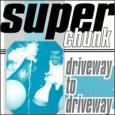














 I Just Read About That...