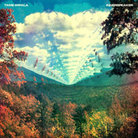
 SOUNDTRACK: GRINGO STAR-“Shadow’ (2011).
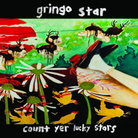 This song was forecast as a great Fall song on NPR. The band’s name is perhaps too cutesy, but the music is interesting. The verses are jangly and in no way prepare you for the Beatlesesque (ie., soaring harmonies) chorus that follows.
There’s not a lot to the song, and on my first listen I wasn’t all that impressed in the beginning. But by the end of the song I was won over.
The song feels very familiar, but I can’t say that it sounds like anything in particular. The ooo-ooohs in the chorus are really pretty, the intro guitar is more intricate than I realized. And after just a few listens I was totally hooked. It just seems like more of a summer record to me.
I’m curious to see what else is on this record.
[READ: September 15, 2011] “A Hobo Memoir, 1936”
My company provided some links to interesting articles that are available on JSTOR, an electronic archiving resource. If you have access to a university database, chances are you have access to these articles. I was particularly struck by the fascinating subjects of a few of these pieces and for the next few posts I’m going to mention them.
I had to start with this article because for some reason my kids are obsessed with hobos. I don’t really know how it came about–reading older kids’ stories, I suspect. On our first train ride, we saw a freight car with a door open and there was much talk about hoboes sleeping in the cars and, hoo boy, it just escalated from there. And, despite the fact that hobos haven’t really existed in eighty some years, once you keep an ear open for the word, you hear it quite a lot (Craig Ferguson was calling his audience hobos for a while–it’s a good comedy word).
This article contains an introduction by Elizabeth Rambeau, assistant editor of the magazine, who gives us a brief history of John Fawcett and of hobos in general. Including this very informative distinction: a hobo is a transient person who looks for work while he travels, a tramp is a drifter who does not look for work and a bum is a stationary person who does not look for work. So, be mindful of the epithets you use! Fawcett, Rambeau tells us, was unlike most hoboes at the time. Indeed, he wasn’t really a hobo at all. He was the son of a wealthy doctor. But he grew tired of his life at boarding school and decided to take a trip on the rails from West Virginia to Texas. But he lived the hobo lifestyle, hopping trains, getting busted by the police, and not carrying any (or much, anyhow) money. He even hung out with a hobo named Shorty.
The reason that this article is noteworthy (in terms of hobo literature) is that unlike other hobo memoirs from the time, Fawcett was an educated man and a decent writer in his own right (most hobo memoirs were recollections from the hobos themselves, written by ghostwriters). This Memoir comes from meticulous diary entries that he kept during his entire trip. And, of course, the article includes hobo signs, everyone’s favorite piece of folk art. What’s interesting is that there are no extant records of original hobo signs. They were made with chalk and all were ephemeral. All of the signs we have are from people’s recollections and the signs included here were done by an art dept.
Fawcett’s original work comes from an unpublished 1991 book called Awakening of Conscience. What we have is a twelve page excerpt. In the author’s introduction, he explains his life situation, his family situation and his pressing need to have some freedom in his life. In hindsight, he can’t imagine what kind of grief he put his parents through (he left a note saying he was going to a friend’s house but then took a month-long hobo journey) and he regrets that. But he’s also pretty proud of what he did. (more…)






 SOUNDTRACK: RHEOSTATICS-Whale Music (1992).
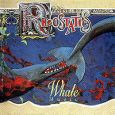 The Rheostatics are from Etobicoke Canada. Their second album was called
  “Self Serve Gas Station” is a great opening. It begins with swirling guitars and a beautiful solo (Rheostatics guitar lines sound so elemental as to seem like they’ve always been around). But just as the vocals begin, the song becomes a sort of country track: a folkie song about adolescnece. But it returns to a good rocking (and falsetto fueled) rock track.
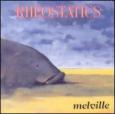 “King of the Past” is another great track, with a wondrous string sound near the end. It’s a gorgeous song with (again) different sections conveying shanties and jigs (and you can dance to it). Like Moby from last week, Rheostatics, also bust out a fast metal track, but this one works well: “RDA (Rock Death America)” has a major hook and name checks everyone from The Beatles to The Replacements.
 SOUNDTRACK: THE BEATLES-Revolver (1966).
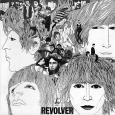 My first exposure to this album came when I received this vinyl LP as a free gift with a purchase from a mail order record store. I assume the store is long out of business (or maybe not). But I had ordered something (funny i don’t remember what) and they sent Revolver as a free gift.
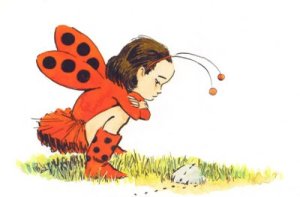 I don’t know a thing about the author or illustrator, but I really enjoy these stories (and the pictures). I mean, look at how charming (and how beautiful) this is with so few lines!
 SOUNDTRACK: BEATLES-Rubber Soul (1965).
 After the breakthrough of Help!, the Beatles followed up with their first proper album that is full of all original songs and which really pushes the envelope.
 SOUNDTRACK: THE BEATLES-Help! (1965).
 At last, a Beatles album that I knew from start to finish. And here it is, another soundtrack album. This disc is the first that starts to really embrace the diversity that The Beatles were capable of.
 SOUNDTRACK: THE BEATLES-Beatles for Sale (1964).
 After the riotous fun of A Hard Day’s Night, I expected that this disc would not only continue the fun, but also be full of songs that I’d heard all the time on the radio.
 SOUNDTRACK: THE BEATLES-A Hard Day’s Night (1964).
 Despite my CD player trying to eat this disc, I still managed to listen to the whole thing.

