Feeds:
Posts
Comments

Archive for the ‘Death’ Category

SOUNDTRACKPEACHES-Live at Massey Hall (August 4, 2016).

Peaches is afraid of no one.  She bears it all, lyrically, visually, sexually (sample lyric: “Can’t talk right now this chick’s dick is in my mouth”).

She stands center stage, all by herself atop a small pyramid.  She programs some beats at the back of the pyramid and then begins singing the lyrics to “Rub.”  She demonstrates quite exaggeratedly where the rubbing out to take place

Tell on my pussy
Whistle blow my clit
Watch it open up
Cause it can’t keep a secret

What’s great about Peaches is that she was 49 at the time of this performance and she held nothing back–doing a very impressive split at the top of “Operate.”

She began the show with an oversized cape and what looks like a catcher’s chest protector with the outline of abs on it.  When she takes those off she reveals a body suit with hands all over it–grabbing her.

Next up is “Vaginoplasty.”  She introduces the song that it “is not about a big dick or big tits it’s about my big fucking vagina.”  Its at this point that her two dancers (Jess Daly and Agent Cleave) come out wearing gigantic vagina body suits.

In addition to being about her vagina though, she also addresses transgender issues

If you’re born as a man
But know you’re a woman
I understand
Gotta get it, get it girl

About this song she later said:

I think “Vaginoplasty” is about an important subject, but I also think it’s hilarious. The song is about a big vag, but then you have to think, Why does that gross me out?

Her voice is terrific on this song as well, she hits some really powerful notes.

“Mean Something” features a duet with “Feist.”  Feist sings the eerily compelling chorus.  It’s a great song without being explicit.

During an interview she talks about going to Berlin where she was appreciated before returning home to make her album.

After an onstage costume change, Peaches wears a fabulous outfit that’s a giant vagina and she walks out into the audience, walking across the backs of the chairs until she stops and says, “These are my parents!” (their reaction is..amusing).

“How You Like My Cut” is more of a rap–incredibly sparse with lyrics that are not terribly eloquent

How you like my cut
How you like my cut what
How you like my cut

But it seems more about the mood than the words.  Words are suitably important for “Fuck the Pain Away” (now that is something you did think you’d be singing at Massey Hall).  Both songs feature her dancers in minimal bondage gear.

The chorus that gets the crowd chanting is

S I S I U D, stay in school cause it’s the best

With repetition, the lines eventually sound like “SIS, stay in school cause it’s the best IUD.” Peaches thus ties the education of women directly to birth control and reproductive autonomy.

For the final two songs, she has one more outfit change (which leaves her topless, but with pasties on).  “Dumb Fuck” has an incredibly catchy chorus of “dumb fuck, you dumb fuck, you dumb fuck” which is certainly cathartic.

The final song is “Close Up” and is a duet with Joel Gibb from The Hidden Cameras.  They have a lot of fun with the song.

[READ: January 9, 2017] “The Bog Girl” 

Some stories are so weird that you have to keep reading.  And when they get even weirder and even more compelling, you sort of marvel at the way it unfolds.

This story was one of those.

Cillian is a fifteen year old boy working in the peatlands in an island off of Ireland on the archipelago known as the Four Horsemen.  He is working illegally, but his boss hired him because his house abutted the peatlands.

The story gives a brief history of peat–how it is created and used for fuel and explains that the lack of oxygen allows things to decompose there–so there are all kinds of dead animals in the peat.  But no one notices because it is now industrially harvested.

Then one day, as he is digging up the peat, Cillian sees a hand.  It proves to be the hand of a girl.  When she is exhumed, her body comes out intact.  She is cute with a sweet smile.  The police determine that she is not a recent murder, that she is probably 2,000 years old.  Well, Cillian is lucky that he lives on a remote island. (more…)

Read Full Post »

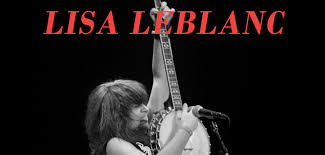
SOUNDTRACKLISA LEBLANC-Live at Massey Hall (June 6, 2015).

I thought I didn’t know who Lisa LeBlanc was, but it turns out that I knew her song “5,748 km” from a NPR episode.  How funny.

LeBlanc thanks Massey Hall for putting her on and for supporting new artists.  It’s so legendary, she can’t imagine what’s going to happen right now.

The show, in which LeBlanc opens for Spirit of the West, opens with this formal introduction.

Welcome to Massey Hall. To get the night going when you have a band like Spirit of the West who is dynamic and fun, who else can you bring to match that kind of excitement?  Please welcome to the stage Lisa LeBlanc.

She walks out on stage, grabs the banjo and plays a slow banjo melody.  After a beat or two she starts whistling a forlorn melody–a perfect Western-sounding instrumental (her whistling is very impressive).

Her whistling is great.

Then she gets a sly look and starts playing her banjo a little faster.    And then completely unexpectedly (to me anyway) her drummer (Maxime Gosselin) and baritone guitarist (Jean-Phillipe Hebert) start trashing like lunatics.  “Gold Diggin’ Hoedown” is a song that perfectly meets what her style is called: “trash rock” It is crazy and fun.

She says she grew up in New Brunswick playing music in the “kitchen party” scene.  She played with her uncles in the garage instead of going partying with the cool kids.  “I was kind of a loser.”

The next song is in the same style, but it is sung in French.  “Cerveau ramolli” which she translates as “My Brain is Mushy.”  This song is totally rocking with great thumping floor toms.

I can’t find the names of all of the songs (usually the video names them, but not this time).  There’s another song in French.

She switches banjos and then talks about “Katie Cruel,” a song that no one knows where it came from and it’s her favorite song of all time.  There’s a quiet part in the middle with just banjo and then nearly a capella before rocketing back to life.

She gets a new banjo and sings quietly over gentle picking:

Don’t try to figure out what’s going on his head / he ain’t trying hard to see whats going on in yours….  I love these lyrics:

He’ll give you the shirt off his back but he wont give you his heart.

She tells the audience she’s from New Brunswick.  Cheers from half the crowd.  Then she says she’s from a town of 51 people.  She was trying to date someone from Vancouver.  Canada is really big.  This is an introduction to “5.748 km” in which she plays guitar instead of banjo.  It’s a spoken/sung song.

She says “Let’s talk about cowboys” and then sings a song in French called (I believe) “J’pas un cowboy.”

For the final song she says the title “You look like trouble but I guess I do too” is quite self-explanatory.  After a few verses they take off.  That baritone guitar is so low and rumbling.  Things slow down in the middle where she plays a great banjo solo and then the sing thrashes to an end.

Over the credits she sings part of one more song this time with electric guitar.

LeBlanc is multi-talented and a lot of fun.  She’d be an excellent opener for anyone.

[READ: June 2, 2018] “Mum’s the Word”

This issue of the New Yorker had a section entitled “Parenting.”  Five authors tell a story about their own parents.  Since each author had a very different upbringing the comparison and contrasting of the stories is really interesting.

This is a funny (sort of) essay about being a parent and how “as a parent I spend a good amount of time talking about things that don’T interest me like My Little Pony, or pasta, or death.”

The death part is funny because her four-year old daughter is suddenly obsessed with it.  But in unusual ways: “When I die…I want to die in Egypt so that I can be a mummy.”  After half paying attention, Rivka nods assent then her daughter says “Mummies make other mummies.  With toilet paper.” (more…)

Read Full Post »

SOUNDTRACK: CRASH TEST DUMMIES-Oooh La La! (2010).

Crash Test Dummies were once huge, then mocked and then silent.  They are still a band, although the band is really only singer Brad Roberts anymore.

In fat they were more or less broken up but then in 2010 Roberts began experimenting with toy instruments, the Optigan and Omnichord.

Those instruments were the inspiration for this music and yet the songs don’t sound like novelty or “toy” creations.  Both of the instruments were proto-samplers and they allowed Roberts to generates sounds on styles he didn’t normally play.  And so we get this interesting and fun release which features many contributions from fellow Dummy Ellen Ried, who still sounds amazing.

Roberts’ voice is still deep, but he really has his songwriting chops down well.  “Songbird” is a pretty folk song with a lovely chorus.

“You Said You’d Meet Me (In California)” was recorded as a Dummies song, although this version is more fun, with the way he sings it and the way he uses the instruments’ effects.

“And Its Beautiful” really is beautiful–it’s a very catchy song with pretty instrumentation and great backing vocals from Ellen Reid.  “Paralyzed” is a slow piano ballad while “In between Places” has some cool effects sprinkled on the song.

“Not Today Baby” is a goofy song.  Dummies have always been seen as a novelty band, and it’s songs like this that are why. But honestly, what’s wrong with having a sense of humor in your music.  This song isn’t ha ha funny but it should raise a smile.

“Heart of Stone” is the kind of sad song that Brad does so well.  Ellen Reid’s doo doo doo doo” are a lovely touch.

“Lake Bras d’Or” is a pretty ballad with minimal instrumentation, while “What I’m Famous For” is over the top.  This one has a kind of Western feel–a banjo-picking, fast-talking monstrosity.  And yet it’s a fun country ditty with some pretty funny lyrics.

Roberts talked about the big band sound of “Now You See Her” as something of an inspiration for the album–that this toy could make this kind of music and he wanted to see if he could wrote a song in that style   is a kind of big band.  It’s again, kind of a novelty, but I think he pulls it off really well.

The final song “Put a Face” is played with accordion and violin and is sung entirely by Ellen Reid.  It’s a beautiful song and a lovely ending to this unexpected disc.

[READ: January 20, 2017] “Two Men Arrive in a Village”

I usually love Zadie Smith stories–even when she writes things that are quite different from her usual style  But this one is simply odd.

The title is sort of a parable and the story reads like one as well.  It even starts as if the title is the first half of the sentence:

Sometimes on horseback, sometimes by foot, in a car or astride motorbikes, occasionally in a tank—having strayed far from the main phalanx—and every now and then from above, in helicopters. But if we look at the largest possible picture, the longest view, we must admit that it is by foot that they have mostly come…. Two men arrive in a village by foot, and always a village, never a town. If two men arrive in a town they will obviously arrive with more men, and far more in the way of supplies—that’s simple common sense.

After a fairly long setup of the things two men might carry, we find that these two men arrived in the narrator’s village at sunset. (more…)

Read Full Post »

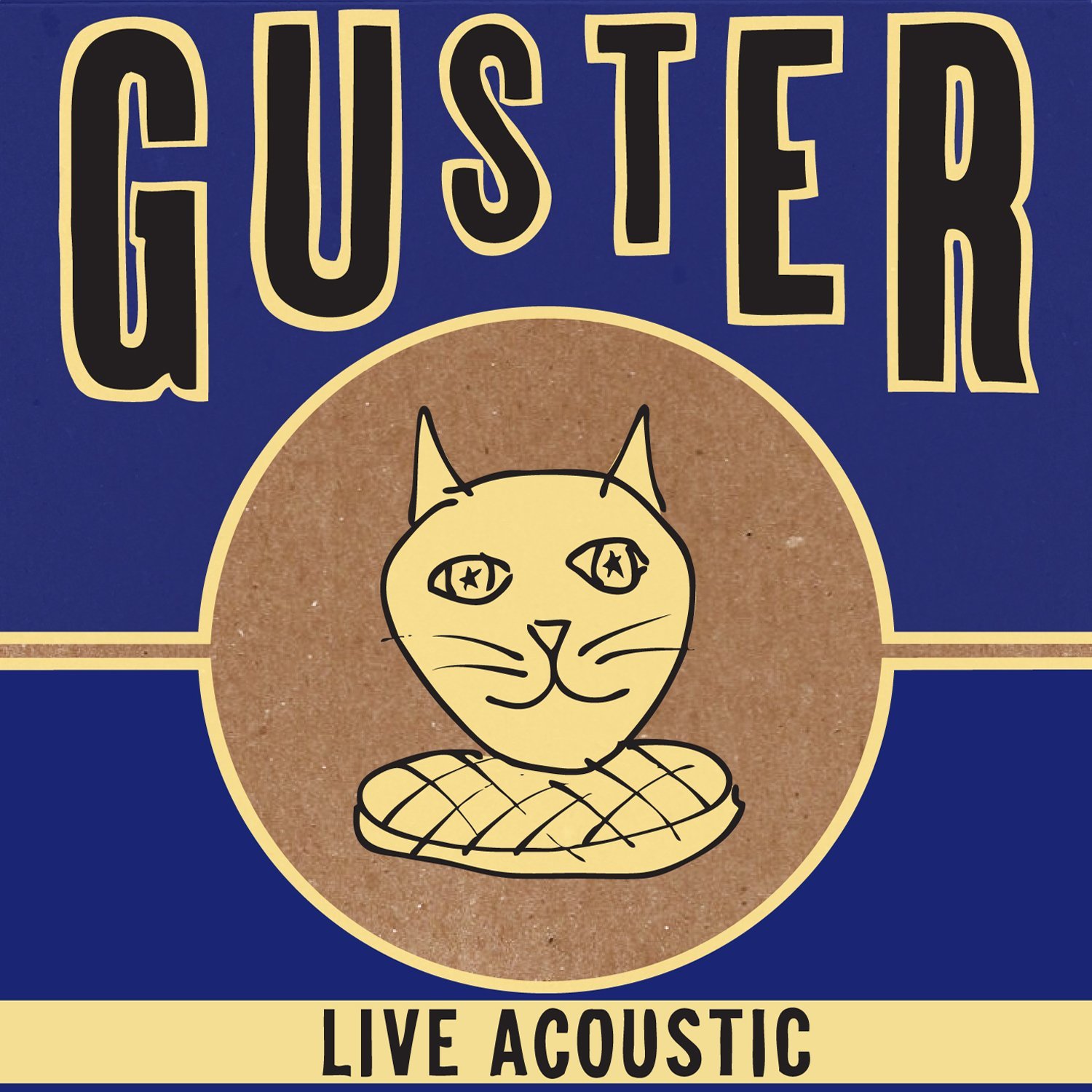
SOUNDTRACK: GUSTER-Live Acoustic (2013).

There was one more Live Guster release around the time of those three full album recordings.

This one is called Live Acoustic and it comes from a tour in 2012.  There’s no dates or locations assigned to the songs and indeed they are all done acoustically.

The most notable aspect of this disc is that none of the rockers are included.  This is good because it means they aren’t trying to strip those songs down.  But at the same time, it means that the disc never really takes off like a Guster show would.  It’s not all ballads, mind you–most of the songs from Easy Wonderful that are included are uptempo, and of course “Satellite” is a super fun single, but there’s nothing like “Fa Fa” or “Barrel of a Gun” or “Amsterdam.”  It speaks volumes to Guster’s songwriting skills that I didn’t even miss these favorites until I really looked at the track listing.

They include songs from all of their albums (except Parachute which was all acoustic) and a “deep B side” from the Satellite EP.

For the most part these songs sound great in an acoustic setting.  My only quibble is that some of the songs have really great orchestration which I miss (but that’s personal preference I suspect).  A bunch of the songs have strings which are a nice addition, especially on a song like “Either Way” and the amazing wild violin solo in “Satellite.”  This reminds me of when we saw them with Kishi Bashi and he played the violin on “Satellite”

The one really nice factor is that with everything stripped away, the guys’ voices sound really powerful.  And as I say, because the tone is somewhat mellow the song selection works to this and you don’t miss the bigger songs.  Plus any show that ends with “This Could All Be Yours” is a great one.

  • Backyard [KEEPIT]
  • Do You Love Me [EASYWON]
  • Long Way Down [KEEPIT]
  • That’s No Way to Get to Heaven [EASYWON]
  • What You Call Love [EASYWON]
  • Beginning of the End [GANGING]
  • Diane [KEEPIT]
  • Rocketship [GOLDFLY]
  • Empire State [GANGING]
  • Rise and Shine [SATELLITE EP]
  • Two Points for Honesty [LOSTANDGONE]
  • Either Way [LOSTANDGONE]
  • Satellite [GANGING]
  • Rainy Day [LOSTANDGONE]
  • Hang On [GANGING]
  • This Could All Be Yours [EASYWON]

[READ: January 19, 2017] “Maybe It Was the Distance”

I enjoyed this story so much, I could have read twice as much (and it was pretty long).

This is the story of a Jewish family: Irv and his 43-year-old son (Jacob) and 11-year-old grandson (Max).  It begins very amusingly with them heading to the Washington National Airport (they refuse to call it Reagan National).  Irv also hates NPR (which they were listening to) because of the flamboyantly precious out-of-no-closet sissiness and the fact that they had a balanced segment on new settlement construction in the West Bank.

The first half of the car ride devolves into an argument between the three of them about opinions and Jewishness.  Jacob is frustrated by his father and Max is both precocious and still a child–it’s all very funny.  Especially when they argue while the light is green.

They were heading to the airport to pick up their Israeli cousins.  They were picking up Tamir, who was Jacob’s age, and his son Barak.  Jacob and Tamir’s grandfathers were brothers in a Galician shtetl that was overlooked by the Nazis.

Issac (Irv and Jacob’s family) moved to America while Benny (Tamir’s family) moved to Israel.  They would visit every few years.  Isaac would show off his American lifestyle and then spend two weeks complaining about Benny after they’d left.  And then Isaac died (he had outlived cancer and Gentiles). Tamir surprised everyone by coming in for the funeral.

Jacob discussed Isaac with Tamir and said that basically he did exactly same thing every day (and the details are very funny, if not sad). (more…)

Read Full Post »

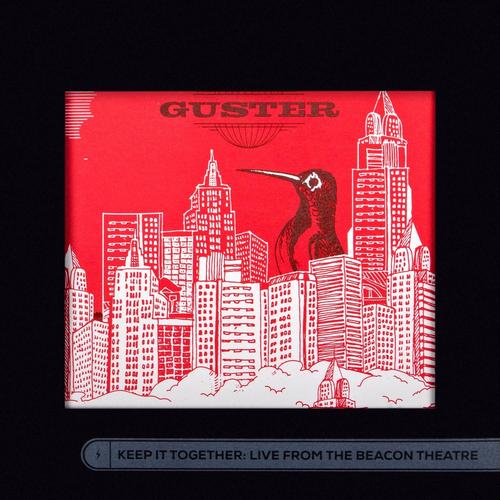
SOUNDTRACK: GUSTER-Keep It Together Live from The Beacon Theatre (2014).

In 2014, Guster released three CDs of them playing their early CDs live in their entirety (excluding for some reason their second disc Goldfly).  This is their fourth CD ‘Keep It Together’ recorded live in concert at The Beacon Theatre on November 30, 2013, ten years after its release.

As the disc opens, Ryan shouts, “Keep It Together starts now.”  This makes me think that they played other songs before it?  It would be great to hear an album in its entirety but not if that’s all they played.

After the first song, “Diane,” Ryan jokes,  “I guess there no real surprises in the setlist from here on out.”

Midway through the show, he comments that as an active band making new music, you want to be careful not to trade in nostalgia.  But he also knows that if one of his favorite bands played one of his favorite albums…it would be magical.

The band sounds great.  And, fortunately, it’s one of those shows where the live recording sounds at times even better than the original.

The only real divergence from the album is that after “Homecoming “King” they play “Chariots of Fire” on piano and strings.  I’m not sure why, but it’s fun.

One of the great moments of any Guster concert is when they play “Come Downstairs and Say Hello” and the Thundergod plays the bongos and smashes the cymbals with his hands.  It’s more fun to see it, but it’s great in this case to hear it.

“Red Oyster Cult” sounds great with the horns as an addition and Ben Kweller comes out and sings lead on the first verse of “I Hope Tomorrow is Like Today” (I had no idea he co-wrote it!).  They even leave a slight pause for the “hidden track” of “Two at a Time.”

This is a great version of this album, and well worth the listen.

[READ: June 2, 2018] “Fungus”

This is a story about carrying on after the unthinkable. But not just carrying on, carrying on with the mundane things that you can’t live without but remind you of exactly what happened.

The story opens with an insurance check and talk of geckos.  But the tone is not lighthearted like Geico commercials.  Andrew has access to Ingrid and Ron’s car, but really, he can only borrow it for so long.  It is time to buy a new one.

So Andrew and his daughter Willa go to the Subaru dealer.

These two scenes are simple enough, but they are fraught with meaning–with the undertone of what happened and how Andrew is allowed and allowing himself to deal with it.   There’s darkly funny thoughts (he’d like a homemade sign around his next that says “I don’t know”).  But the reality is that he has to go on for Willa’s sake, if not his own.

And then there’s this idea which is perfect for the story but works wonders in everyday life: (more…)

Read Full Post »

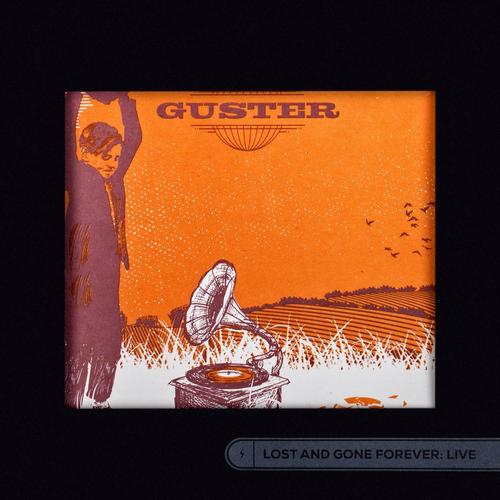
SOUNDTRACK: GUSTER-Lost and Gone Forever Live (2014).

In 2014, Guster released three CDs of them playing their early CDs live in their entirety (excluding for some reason their second disc Goldfly).  This is their third CD ‘Lost and Gone Forever’ recorded live in concert, ten years after its release.

I’m not sure why they don’t say what show it is from, unless they picked the best recordings from a tour?  He does mention Boston at one point, but not sure if the whole show was recorded there.

As with the other two releases, the sound is great.  On “Barrel of a Gun” you can really hear the bongos.

There are a few more guests, which again, makes me think it’s different shows.  Ryan says “We’re inviting a bunch of people to help with instrumentation. Donnie and Amy are going to play strings” [on “Either Way”].  And later, “Fa Fa” has an amazing horn section.

For “All the Way Up to Heaven,” Ryan introduces, “Alright snow kitty bring up the children. It’s 10 o’clock.  It’s late.  Did you teach them the big rock move at the end?  That’s the most important part of the song.”

Like the other discs, they thank everyone for coming out and supporting this album.  He talks about how when they first started playing in 1991 they were all skinnier and had more hair.  They had no idea that so many years later they would still be together and be selling out shows.  “It’s a humbling experience.”

Incidentally when they announced this tenth anniversary tour, they made a video announcement.

[READ: May 31, 2018] “Silver Tiger”

This story involves realism and magical realism.

The narrator Ah Yang, is an adult looking back on his childhood when he lived with Deaf Granny.  He was sent to her early and only rarely saw his parents.

He first saw the titular Silver Tiger near a well pond by Deaf Granny’s house.   Well ponds are an ancient water storage system in China.  They are shaped like pools but are the depth of wells.  It was always off-limits to him  Deaf Granny feared that if he fell in there’d be no saving him (not unreasonable).  But that’s all he wanted to do after he first saw it.

It became even more enticing when a local boy found a turtle in a neighbor’s well pond.  Oh how the narrator wanted his own turtle. (more…)

Read Full Post »

SOUNDTRACKRHEOSTATICS-The Horseshoe Tavern, Toronto (May 26, 2017).

Third of four shows at The Horseshoe Tavern dubbed Spring Nationals.

This was one of the best Rheos shows I’ve ever seen. At the end of the show Jeff Robinson presented Martin with the custom made guitar he had been working on for the past 6 months. Martin then played an impromptu version of Indian Arrow which he had last played on his Farmer In The City tour 18 years prior. Indian Arrow is a 13 Engines song that to the best of my knowledge was never recorded, nor does Mike Robbins apparently recall writing it…but Martin knows it.

Lineup is: Dave Bidini / Dave Clark / Hugh Marsh / Ford Pier / Martin Tielli / Tim Vesely

There’s occasionally a lot of echo and reverb on the vocals, but the sound quality of the recording is excellent.

Before they start Dave B says, “Those people at the back don’t even know we’re up here, right?”

After a long guitar intro, martin sings “Self Serve Gas Station.”  It builds really well although he doesn’t quite hit the note on “the morning time has come.”  It’s followed by another Martin song, “California Dreamline.”  This song also has a lengthy guitar and keyboard introduction.

When the song ends there;s some rousing guitar chords for almost a minute before the words of Dave Clark’s “AC/DC On My Radio” kick in.

It’s followed by a terrific “Soul Glue” with Martin joking about playing “jazz metal.”

Ford asks, Who is on lights tonight?
Dave B: I don’t know.  Have we seen much of a light show tonight?
Ford: Last night you said his name three times in a row and that is messing with some dark force
Dave B: Ford Pier is our dark force attendant.  Thanks for coming to night three.  Lucky number 3.  Dark force night.

Clark tells a lengthy story about someone farting behind him on a plane.  Martin guesses it was Margaret Atwood.  But Dave says he has proof of David Suzuki farting near him at a book signing and frightening all of the signees away.

Martin announces that the next song “P.I.N.” is called “Oh that Suzuki.”

They ask Tim Mech if he finds a lyric sheet in the back to bring it forward.  They are doing a song for a Stompin’ Tom compilation, but they don;t know the words.  Tim: So instead we’ll forget the words to this one” I’ve never heard “Gumboot Cloggeroo” before.  Someone plays an amazing solo that sounds like it was done on a banjo but which might be Hugh on violin?

Dave wonders if it’s too early for shots?  Martin “I’ll just get looser after this.”

Martin again states that Tim is sporting the gentleman’s instrument.
DB: “what does that make the bass?”
MT: “also a gentleman’s instrument.  I just learned the mojo of the bass about 7 years ago.”
DB: “4 strings is tough”
MT: “it’s pretty well inexplicable.”
DB: “It took me a long time to pop and snap.”
MT: “Tim Vesely used to be the king of slapping on Queen Street.”

DC: “Tim Mech do you have Gaffer tape?”
MT: “Why would a guitar tech have gaffer tape?”
MT: “I had a dream I was gaffer taped.”
DB: “Dark Forces”

Martin and Tim play “Sickening Song.”  It starts well, but then he stops.
Martin: “I got snot on my microphone.”
DC: “That’s because it’ the Sickening Song.”
Ford: “Is it yours?”
DB: “We had a gaffer stop and a snot stop, very professional.”

They resume and “Sickening Song” sounds great.  There’s some wild drums and crazy echoed vocals in the middle (the punk rock section).  There’s some big growling vocals at the end–it’s awesome.

Tim stays on the accordion for “What’s Going On Around Here?” and when it’s over, someone in the audience shouts “that was fuckin awesome.”

The Horsehoe is now 70 years old.  It was really different back then when Hank Williams and Stompin’ Tom.
DB: “Me, Tim and Dave Clark played that stage over there in 1984.  James Grey was on keyboards with us.  It was our 6th or 7th gig of all time.  We opened for The Government.”

From The Last Pogo:

The Government were a three-piece band rooted in Toronto and active between 1977 through 1982. The band consisted of: Andrew James Paterson (guitar, voice, and writing), Robert Stewart (bass, voice, writing), and three drummers (Patrice Desbiens from Sept.1977 to May 1978, Edward Boyd from June 1978 to December 1980, and Billy Bryans throughout 1981 and 1982.) The last version of the band was also occasionally augmented by scratch guitarist Jeremiah Chechik.

Robert Stewart wore pink spandex pants,  Billy Bryans on drums he had synth drums.
MT: “There’s never been a better drum tone since.”
DB: “I’m merely trying to drive away the dark forces.”

DC: “Patting a Bengal cat is like patting the back of Tim’s head.”
Martin: “Tim has the nicest hair of anyone I’ve ever stroked….  Here’s a new song by Timothy Waren Vesely.”

They play the nice folkie song “Rear View.”

Then comes “Northern Wish” which opens with a pretty acoustic guitar melody. and sounds great.  It ends with a cool buzzy guitar sound at the end.

For “Here Come The Wolves” DB asks, “Hey Marsen, I’d like a little more light on stage.  I’m not reading my lyrics or anything, honest.”  The middle has a great fiddle sound from Hugh, thundering drums and lot of intensity–when they get this song tight it will be fantastic.

There’s a very long intro to “Dope Fiends.”  It sound great and then there’s a long drum solo lasting over 2 and a half minutes).  The song ends after Martin singing Dark Side of the Moooooon with someone whispering The Dark Side and then Martin speaking backwards nonsense (you can hear “Satan” a few times).  This all culminates in some wild improv.

Tim recites “Halloween Eyes” then they return to “Dope Fiends.”  This segues into an introduction to “Queer” in which Dave starts singing Trooper’s “Here For A Good Time” and then Dave says, “Uh oh Tim’s got something.”  They play “Halloween Eyes” properly and the chugging guitar leads Dave to sing “You Shook Me All Night Long” but he doesn’t know the words (!) and no one else seems to either!?  No one knows it?

Paul Linklater?  You don’t know it?
Kurt Swinghammer? You must know it.  Kurt gets up there to sing it and his lyrics are “I don’t know that song, I don’t know that song at all.”
Finally Ford gets up there and sings a really strained voice (and misses a lot of lyrics) but they play it pretty well: “Ford Pier saves the day!”

They finally get to a romping, “Queer.”  It’s so good that Clark says, “I’m giving you the [cow]bell brother.”  There’s great harmonizing on “he put his fist through the kitchen door.”  There’s a cool pizzicato solo from Hugh.

And then Hugh plays a great violin as the introduction to Clark’s fun new song “Super Controller.”

Dave: We’re gonna do one more.  We might not do one more.  Give us an encore.”

After the encore, Ford comes back and sings “Thursday Morning” on acoustic guitar.  He confesses “after the Brian Johnson vocals, I have a bit of a frog in my throat, help me out?  Oh, you sound like a chorus of angels.  Am I having a stroke?)  This segues into a romping fun version of The English Beat’s “Save It For Later.”

When it’s over, Ford says, That must have been enough time for a Cuban cigar (depends on who’s smoking it, Ford).

Dave talk about the Brave New Waves recording that’s for sale and then discusses the very first single that Dave Crosby, Me, Tim and Dave Clark made at Round Sound in 1980.
Tim: It’s available on wax cylinder.

“Saskatchewan” has lots of echo on the vocals.  It’s kind of a slow version with pizzicato violin until the roaring ending (which gets a little messy).  It segues seamlessly into “Horses.”  It’s still got the intensity of old.  There’s a quiet middle part with Martin doing a falsetto of what Dave sang.”  It hasn’t been played much and Dave gets into it but his rant isn’t that long: “They’re all going to jail, Jared fucking Kushner.”  [Please, please, please be true.]

They tack on the ending for “Queer” and then Clark starts a drum beat that leads to “Legal Age Life At Variety Store.”  They invite Paul Linklater on stage to play with them: “You can tell he’s good because of his green hat.”  Thee’s also Jeff Robinson on lead guitar.  Ford gets a solo and when Dave sings, “Eagleson ripped off Bobby Orr,” Tim again comments, “Get over it.”

As they leave, Martin says that Jeff Robinson made him this new guitar.  It has a piece from his paleontological collection.  This is a mammoth tusk and it makes it sound prehistoric.  It could be 80,000 years old.

He starts to leave bu the crowd asks him to play something and he plays a little of “Indian Arrow” as noted above.

This is a great show, the band sounds fantastic.

[READ: May 21, 2018] “Calico”

This is a story about death and a life that, to me, seems much worse.

Sara lives next door to Sands, “an old bitch.”

Sara doesn’t like to say such things but she had seen Sands hose a cat once to get it out of her yard.

Sands never said a word to anyone, just stood in the doorway and glared if you parked in front of her house. (more…)

Read Full Post »

SOUNDTRACK: JUANES AND MON LAFERTE-Tiny Desk Concert #746 (May 23, 2018).

Juanes did a solo Tiny Desk Concert back in 2011.  Amusingly, seven years ago the blurb said: The blurb says that “he usually plays arenas and large venues, so it’s a treat to see him up close like this,” (see the third quoted paragraph below).

Colombian pop star Juanes and Chilean singer Mon Laferte recently wrapped up a sold-out tour of the United States, which (lucky for us) included a stop at the Tiny Desk.

Laferte began the concert solo with the torch song “Pa’ Dónde Se Fue” (Where Did You Go?). She sang the break-up story with a smirk that belied the heartache hiding in her poignant lyrics. Then… Juanes joined her to perform the duo’s sultry single, “Amárrame” (Tie Me Up).

It’s rare to see Juanes in such an intimate setting. After almost two decades of performing solo, the Latin pop star is more of a stadium and arena kind of guy. It’s a treat to hear his voice unencumbered by loud speakers or crowd noise, and to see his facial expressions as he sings lyrics that many of us know by heart. This marked a return to the intimacy that fueled his earliest days and that’s still present in the personal lyrics that have sold millions of records.

That intimacy was heightened by the presence of Laferte. The duo performed a PG-13 version of “Amárrame,” a passionate pop song with lyrics reminiscent of 50 Shades Of Grey. You can sense an obvious chemistry between the two during that song, as well as on the Juanes classic “Fotografia” (which originally featured Nelly Furtado).

Juanes closed out the concert solo with a stripped-down version of “Es Tarde” from his last album, Mis Planes Son AmarteThe performance demonstrates why Juanes and Laferte’s duet tour sold out across the U.S. this year. There is a magic here that makes for repeated viewing. It’s that much fun to watch.

SET LIST

  • “Pa’ Dónde Se Fue” (Where Did You Go?) by Mon Laferte. She sings and plays guitar and has a beautiful, powerful voice.
  • “Amárrame {Tie Me Up} [feat. Juanes]” by Mon Laferte.  An additional guitarist plays the cool funky riff while Mon Laferte sings (and rolls her r’s beautifully).  Juanes sings (and makes some asides, “Mon Dios!”) the (beautiful, soaring) chorus and alternating verses.  They sound fantastic together, with his voice being particularly sultry and steamy.
  • “Fotografía [feat. Mon Laferte]” by Juanes.  This is a sweet ballad, with again both singers playing off of each other and joking with each other (there’s a phone gag that is pretty funny).  It’s delightful.  And their voices meld perfectly once again.
  • “Es Tarde” by Juanes.  It’s just him singing on this one (with the guitarist on accompaniment).  His voice has a slight gravel to it but is mostly smooth and delightful.  The middle of the song has a kind of whispered spoken word.  It’s quite obvious why he is a megastar.

[READ: January 22, 2017] “The End of the End of the World”

This is an essay about birding in the Antarctic and the death of Franzen’s Uncle Walt.  Both of these stories were fascinating.

Two year earlier, Franzen’s Uncle Walt died and left hims $78,000.  Wow.  (My uncle left me a pitchfork and sheep shears).  He wasn’t expecting it, so he decided to do something special with it in honor of his Uncle.  He had been planning a big vacation with his longtime girlfriend, so this seemed like the thing to us it for.  When he suggested a deluxe cruise to Antarctica, she was puzzled but agreed.

After booking the cruise, he was filled with reservations, and so was she.  Her concerns were more serious–an ailing parent–and his were just nerves.

He intersperses this trip with memories of his Uncle.  Like in August of 1976 when he found out that Walt’s daughter had died in a car crash.  Walt and his wife Irma were his godparents, although his mother couldn’t stand Irma (Franzen’s father’s sister).  She said that Irma had been spoiled at the expense of his father.  Walt was far more likable anyhow. (more…)

Read Full Post »

SOUNDTRACK: PARTNER-Tiny Desk Concert #744 (May 18, 2018).

I know of Partner from the All Songs Considered podcast.  Their song “Everybody Knows” (about being high) is pop-punk catchy and really funny.

That’s the only song I knew from them, but I assumed this Tiny Desk would be of a rollicking hilarious similar vein.

Imagine my surprise to hear them do pretty much everything but pop-punk.  There’s a theme song, a country song, a song for Céline Dion and a song that makes the lead singer cry:

This is one of the sweetest, funniest and most endearing Tiny Desk performances I’ve seen. From the moment they began playing, it was clear best friends Lucy Niles and Josée Caron, who perform as the Canadian rock band Partner, were there to leave their mark and have a whole lot of fun doing it.

Known for their sense of humor, joyful spirit and screaming riff rock, Partner opened their Tiny Desk not with their guitars plugged in, but with kazoos and a goofy little piano piece they dubbed the “Tiny Desk Theme.” Dressed like she was in an ugly sweater contest, Caron bounced along behind the keys with a beaming smile while the group (including drummer Brendan Allison, Kevin Brasier on keys and Daniel Legere on guitar) sang, “It’s the best Tiny Desk!”

The theme song is but a minute long and will hopefully be used for every future Tiny Desk endeavor.  It comes complete with bopping piano, kazoo and cowbell.

The impish left turns didn’t stop there. Immediately following the makeshift theme, Caron peeled off her sweater (revealing a Tegan and Sara T-shirt) and grabbed an acoustic guitar as the band broke into “Tell You Off” its first-ever country song, a track they’d premiered at a live show just days earlier.

Lucy Niles picks up the bass and plays a simple riff.  The rest of the band joins in (with Legere playing a very country guitar solo).

They could barely contain their laughter while singing “Tell You Off,” a boom-chicka story song about giving a good tongue-lashing to anyone who gets in your way:

“I heard what you said about my dog / that he shit on your lawn / well that’s not my fault / say it to my face or I’ll be pissed off / I’ll come over to your house and tell you off.

The third song is the one that Caron hope Céline Dion will sing.  She says it was inspired by a poem that her boss wrote.  “It’s a bad ass poem about going to down to hell to face your greatest fears and to reclaim a peaceful life for yourself.  The life that you deserve.”

In addition to playing a great rocking solo, Caron sings the final verse in French (for Céline to sample).

Partner closed out its set with a surprisingly emotional version of “Creature In The Sun,” a reflection on appreciating the gift of just being alive.

Caron plays a cool intro riff with a guitar slide.  And the song is the most rocking of the bunch.  And then

About halfway through the song, Caron took a moment to tell the audience why it was so special to them. Choking back tears, she said she wrote it about freeing the mind of desire. “It’s a very healing place… And you can just experience the fullness of life. I just wanted to… remind everyone that that stuff is right there with you all the time.”

It’s surprisingly emotional and Caron is clearly embarrassed at her emotional outpouring, but the audience is receptive and she still manages to play that great slide guitar apart tat the end.

And, to break some of the emotional tension the drummer hits a nice cowbell sound at the end.

This is a very surprising set, and one that I imagine is unique in their live performances.

[READ: May 21, 2018] “The Long Black Line”

This is the story of Jesuit Priesthood, circa 1954, and a man trying to join.

Finn is described this way: “priests were still thought to be holy, and Finn…Well…”

When Finn is close to completing his term of study one of the Brothers, Brother Reilly who is manuductor (he who leads by the hand) seems to think poorly of Finn.  Reilly wrote in his diary that Finn seemed self-important.  And then Brother Reilly went to confess these thoughts.  Brother Reilly’s superiors felt that Reilly was not suited to the role of manuductor and therefore it was useful for him to be given the task.

Father Superior told them: “feelings are always to be distrusted.  The good Jesuit may feel excited or depressed, but–remember–he never shows it.  He is never singular. He disappears into the long black line [of priests]….  If you feel sad, smile.  If you feel elated, exercise self-restraint.  If you dislike someone, pray for him.” (more…)

Read Full Post »

SOUNDTRACK: KHRUANGBIN-Tiny Desk Concert #743 (May 16, 2018).

The sound of the guitar that Khruangbin create is so dead on for an old sixties band that as they started this set I thought perhaps it was a sample they were opening up with.

But it was all live.  And as the camera comes on for “Maria También” we see this trio jamming this really groovy instrumental song (with whispered words from bassist Laura Lee).  The guitar melody is full of circular riffs but when it shifts to the main body, I love the way the bass and guitar play the same thing but it sounds like a fresh addition of low-end (his guitar seems to eschew the low-end entirely).  The middle of the song is a cool guitar solo with lots of hammer-ons and chords thrown in to generate a really wonderful sound–the tightness of the ending is really cool too.

So Khruangbin is a

trio from Houston, Texas heavily inspired by 1960s and ’70s funk and soul from, of all places, Thailand. That musical passion has taken them on a journey that, these days, incorporates music from Spain, Ethiopia and the Middle East. Khruangbin’s largely instrumental music is grounded in Laura Lee’s bass, with Mark Speer playing those melodic, richly reverbed guitar sounds and Donald “DJ” Johnson on drums and piano.

“August 10” is a jazzier number with lots of slow but evocative bass. The main part of the song is gentle chords with some cool riffage.  The middle slows things down with some very gentle na na na nas from all three members. Johnson’s drums are pretty simple and standard throughout–keep the beat and add some accents.  It’s that funky bass line that is so great.

Two of the three songs performed at this Tiny Desk Concert are from their 2018 album Con Todo El Mundo, which is dedicated in part to Laura Lee’s Mexican-American grandfather. He’d often ask her how much she loved him and the response that pleased him most was when she would say, “con todo el mundo,” (with all the world.)

The third track in this performance is one of the band’s first forays into vocals, from their 2015 debut album, The Universe Smiles Upon You. “White Gloves” gently pays homage to a “classy lady” who was “a fighter” and who “died in a fight.” Its open-ended lyrics could imply a battle that was violent or an illness. It isn’t clear.

“White Gloves” is more mellow and less jamming.  I am fascinated that Johnson switched to piano (no drums on this track) for this song. Unlike the other two songs, this one needed to grow on me, but I enjoyed it by the end.

[READ: January 28, 2018] “The History of The History of Death”

This story is written as a speech given at a Symposium held at the University of Melbourne, 2— The Symposium was called “Postmortem of the Printed Word.”

The speaker announces that in 490 BC Hermodorus tried to refute Heraclitus’ claim that “everything changes and nothing remains still.”  He did so by writing a History of Death in which “only those things which had ceased to change” would be recorded.

After writing the first volume, he died of a seizure.  Another scribe had just recorded Hermodorus’ death when he himself fell ill and died.

Future writers chronicling this History of Death also died in complex ways.  One was trampled by a horse, one died of stomach cancer.  When it was translated into German, it became like something of a light for moths as so many scholars wound up dead. (more…)

Read Full Post »

« Newer Posts - Older Posts »