 SOUNDTRACK: GRIPE-In His Image (2014).
 With the new year, I was excited to see what albums NPR would be streaming. Imagine my surprise when the prominent album was by a grindcore band called Gripe. I’d never heard of Gripe before. But Lars, the guy who posted the album, said that they’ve released two albums and two singles (most of which you can download for free at Grindcore Karaoke).
I downloaded their album Pig Servant and their split single with Chulo (all 15 songs fit in under 13 minutes). And now I’m giving this one a listen.
So grindcore is a fair name for the sound of the music–take hardcore but make it sound like it is grinding against something. On Pig Servant, the longest song was 1:47, and that included a lengthy sample. I have to assume it took longer to draw the elaborate cover than to record the album. It sounds fast and noisy and chaotic and like it was recorded on a boombox. I was surprised that there was a liner note with the download because I didn’t believe that the noise he was making was actually lyrics, but if you follow along you can kind of tell that he’s screaming actual words.
In his Image is a more sophisticated sound. The drums don’t sound like tin plates, there’s an actual bass sound and one of the songs is over 3 minutes long. You still can’t understand any words. But song titles like “7 Billion Reasons Not to Reproduce,” “Assisted Genocide” “Stuff Your Wretched Face” and “Nothing Left But Hate” give you some idea of what you’re in for. I was surprised by how articulate the words from Pig Servant were–not poetry mind you, but articulate at least. There’s no lyrics sheet for this so I have no idea what to make of the words here.
This album is 23 minutes, which is a bit long for grindcore (and may be longer than all of their existent recorded output). I just like the idea that you can listen to this on NPR. If you dare, check it out.
By the way, this recording has literally nothing t do with this story. Nothing.
[READ: January 8, 2014] “Katania”
Wow, I really liked this story a lot. It is fairly simple and the end may be a bit obvious and/or gimmicky, but Vapnyar earned it.
It opens with the narrator, Katya, reflecting back to when she was a little girl living in Russia. She did not have a lot but compared to some, her family was comfortable (they had a three room apartment). But the thing that held her interest and love was her doll family. They lived in a shoebox. It was painted to look like a house. It also had furniture and even some animals–a cow, a pig and a very large chicken.
As for the doll people there were only girls. One became a mother, one became the daughter (or herself) and a hedgehog head on a human body was the grandma. But there was no father.
Katya suggests that this was not uncommon for the time and location–there seemed to be no fathers around. Her own father had died, but many other fathers had simply run off. Like the neighbor’s father who shouted “I’m sick of all of you” and then left.
Then her uncle brought her a father doll. He was perfect–he fit in with the family and had a beautiful smile. He did have a disjointed leg, but the narrator didn’t mind. Until Tania made fun of it. (more…)
Read Full Post »
 SOUNDTRACK: THE PLANTS-“Aziphrale” (2013).
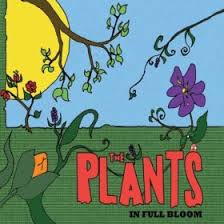 The Plants are Kids Corner favorites. And why not they are Philadelphia locals. I have enjoyed several of their songs but I wasn’t familiar with this one. And so I was surprised that it made the Top ten Kids Corner Countdown.
















 I Just Read About That...