 SOUNDTRACK: JEFF THE BROTHERHOOD-Tiny Desk Concert #165 (October 8, 2011).
 This was my first exposure to JEFF the Brotherhood, a rollicking duo who blast out the walls of the NPR studios. The guitarist and drummer play simple, power punk (quite well) and they sound like a whole band, not just two guys.
“Diamond Way” reminds me of the Meat Puppets–echoey lazy-sounding punk. ANd the oh oh oh oh oh is very catchy. And then, after describing an NPR host as sounding like Ira Glass–if he were an old woman (and then apologizing if he offended anyone), they play “Bummer”–shirtless—presumably a first for the NPR offices.
“Bummer” is a mellower song and their sound doesn’t sound less full for the mellowess–especially when he kicks on the distortion pedal. “Bone Jam” is one of my favorites–more ooh’s and the simple but wonderful lyrics “Gonna grind your bones to make my bread.” It’ s amazing that two guys can sound this good.
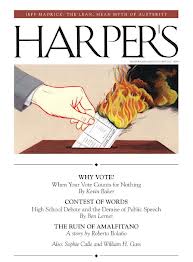
[READ: August 17, 2010] “The Ruin of Amalfitano”
Natasha Wimmer has translated yet another posthumous work from Roberto Bolaño, this one called Woes of the True Policeman, due out this month.
This may already exist, but I hope someone is compiling a family tree of all of the Bolaño characters who have appeared in different locations. For instance, the Amalfitano in this story appeared in 2666, indeed he has a whole chapter about himself. And we know it’s the same Amalfitano because they both have a daughter named Rosa. This story is set before 2666 and these fascinating events would shed some light on the state of Amalfitano when we do meet him in the novel. Of course, Bolaño’s writings don’t seem to follow a conventional strategy so who knows if he intended any of this to be part of the “missing” Part 6 of 2666.
Anyhow, this story is about Amalfitano, but it opens with Padilla who decided to become an artist at the age of 13. After dabbling in theater and film, he settled on poetry. By 17, he was a sarcastic angry kid who could be easily provoked to violence (he claims that when fighting Nazis, anything is permitted).
At 18, he published his first book of poetry and when he was 21 he showed the poems to Amalfitano. Amalfitano was a teacher of Latin America writers at the University. He liked Padilla’s poetry, although he didn’t much like Padilla who didn’t come to class very much. But once Amalfitano gave him praise for the poems, Padilla never missed another class. He even invited Amalfitanoto his house for parties. After many such parties, the two became lovers.
Once the University learned of this, Amalfitano was fired. Continue Reading »
















 I Just Read About That...