Feeds:
Posts
Comments

Archive for the ‘The Walrus’ Category

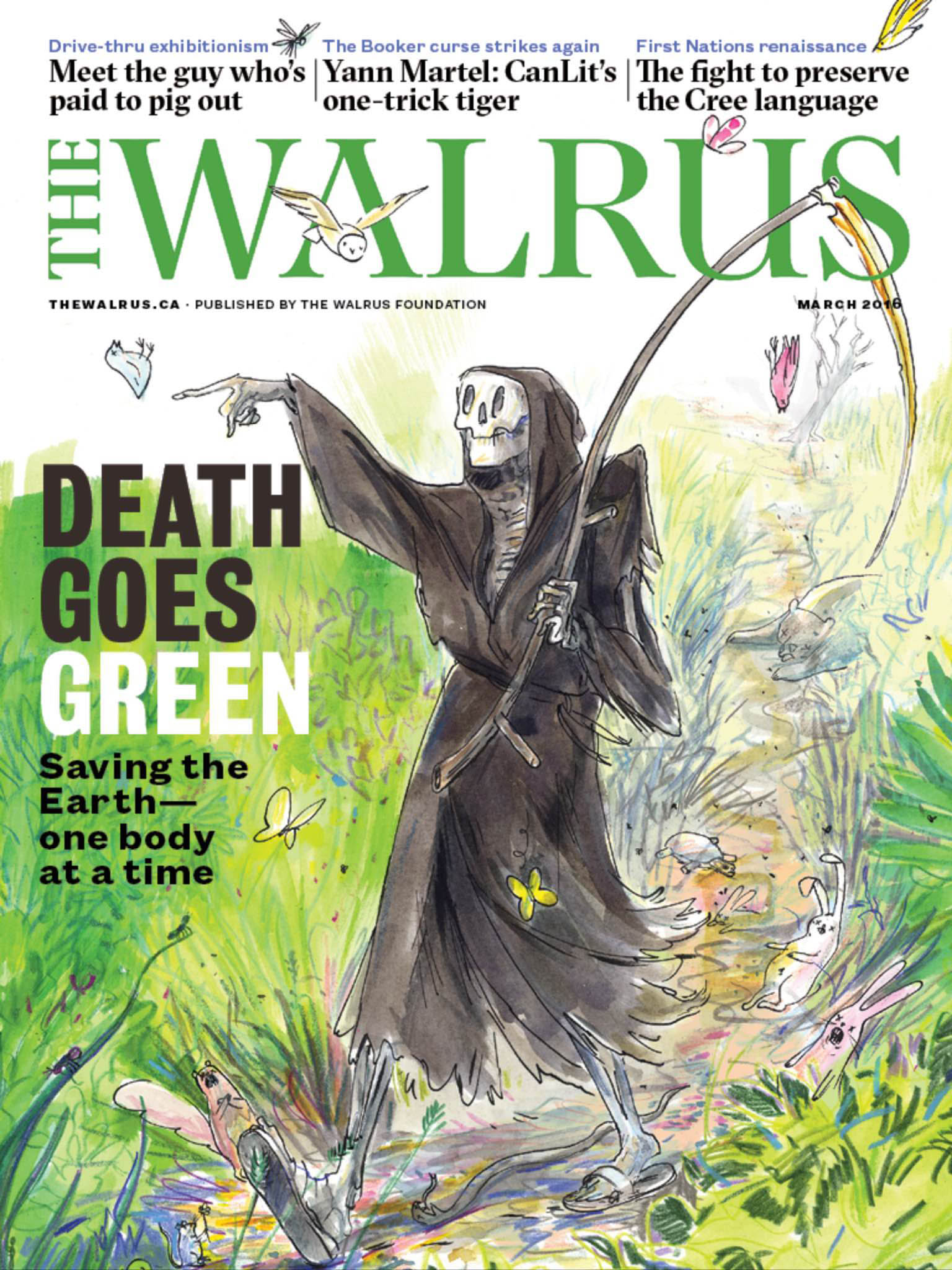
walrusaprilSOUNDTRACK: GODSPEED YOU! BLACK EMPEROR-Allelujah! Don’t Bend! Ascend! [CST081] (2012).

330px-Godspeed_You!_Black_Emperor_-_Allelujah!_Don't_Bend!_Ascend!After ten years, GY!BE came back with a new album.  It fits on one CD, but, just to be different, the band released the vinyl as one 12″ and one 7″ record.  The 12″ contains the two longer songs and the 7″ contains the two shorter ones.

“Mladic” (20 minutes) opens with sampled voices: “with his arms outstretched.”  Then comes a hurdy-gurdy and violins and droning sounds with incidental guitar notes.  This goes on for about 4 minutes before the drums and ringing chords slowly enter the song.  By about 6 and a half minutes, a buzzy guitar starts playing a feedback-squalling riff, while a second guitar follows along (in the other ear).  And by 7 and a half minutes, the drums begin and the song really takes off.  At around 9 minutes a new riff begins, slightly Middle Eastern sounding.  The whole band joins in, including some fierce drumming and the song gets bigger and bigger.  Then around 11 minutes, everything drops off except for bass and drums.  And that’s when the noisy chaotic guitar solos begin.  Things slow down, but don’t great less intense.   And then at 14 and a half minutes, everything pretty much drops out save a cello and feedback.  But that’s only a precursor to the big riff that follows.  Things slow down one more time, although it’s more of a quiet rumble with the drums going throughout.  And then they launch into the final cascade of music, saving the last 2 minutes for echoes, feedback and a rackety percussion section.  It’ fantastic.

“We Drift Like Worried Fire” (20 minutes) opens slowly with pizzicato violin notes and other sounds in the background.  A guitar riff starts at around 3 minutes which leads the song in a very different direction.  A slow violin plays over the top of the guitar riff.  The violin and drums grow more complex and at 6 minutes, the ringing guitar overtakes the rest of the music.  At around 8 minutes a series of ringing guitar “solos” enter the song. Combined with the percussive noise and the bass, it’s surprisingly catchy.  When everything drops out and there’s simply a violin playing, it seems like the song will end, but no.  Guitars play around the violin and then at 12 minutes, a new section develops around a two-note motif and complex percussion.  I love the ominous direction the song takes those two notes, and when the steady beat kicks in at 15 minutes, it makes the whole thing that much more intense.  It resolves itself into a wonderfully catchy melody.  At 17 minutes everything drops away except for a ringing guitar and strings. It seems like it might be an ending coda, but soon enough the drums come back and the song picks up again heading towards a proper climax, complete with crazed drumming that takes us until nearly the end of the song.  Another really satisfying conclusion.

The two shorter pieces are on the 7″ disc.  “Their Helicopters’ Sing” begins with a droning sound in the background.  And nearly all of its 6 minutes sound like screechy violins trying to break through the rumbling drone.  It more or less resolves itself by the end of the song into something a bit more tuneful.

“Strung Like Lights at Thee Printemps Erable” is the final 6 minute song.  Like “Helicopters” it is primarily a drone song.  This one is a little prettier at the beginning, with some delicate notes punctuating the noise, but it’s the screeching violin and feedbacking guitar that really create the noise.  By four and a half minutes that all drops away into a gentle, but still disconcerting, drone.

I don’t really love the droney stuff compared to the longer songs.  I find the two long songs to be some of their best work.  Perhaps if the droney parts were actually a part of the whole piece they would work better.

  • Thierry Amar – bass guitar, double bass, cello
  • David Bryant – electric guitar, dulcimer, Portasound, kemençe
  • Bruce Cawdron – drums, vibraphone, marimba, glockenspiel
  • Aidan Girt – drums
  • Karl Lemieux – 16mm frames artwork, photography [new]
  • Efrim Menuck – guitar, hurdy-gurdy
  • Mauro Pezzente – bass guitar
  • Mike Moya – guitar [replaced Roger Tellier-Craig]
  • Mauro Pezzente – bass guitar [new]
  • Sophie Trudeau – violin, Casio SK-5
  • [exit Norsola Johnson – cello]


[READ: April 10, 2016] “Hackles”

This issue of The Walrus was pretty bleak and this story is similarly bleak (what’s going on in Canada?).

The story is about a woman (told in first person) and her reflections back on a summer when she was fifteen, living in Enniskillen.  Her memories revolve around two dogs: Mort and Julie.  When she first encountered them they were guarding a farm house.  They saw her and snarled and growled at her causing her to trip and fall, but they would not cross their property line.  She says the thing that amazed her was their self-restraint–they never put one paw onto the road.

She began stopping by, looking at the dogs, for six or seven visits when the farmer’s son happened by.  He had come to tell the dogs to stop barking and then her saw her. (more…)

Read Full Post »

walrus marchSOUNDTRACK: GODSPEED YOU! BLACK EMPEROR!-Yanqui U.X.O. [CST024] (2002).

GybeyanquiuxoYanqui UXO is a single CD/double vinyl release coming in at about 80 minutes.  The lineup stayed the same, but there were a few changes.  First the band’s exclamation point moved from the end to after the “You.”  And second, this album was produced by Steve Albini.  Albini seems like an odd choice given his stripped down style and often brutal recording sound.  The album still sounds a lot like GYBE, but they have stripped out all of the field recordings and interstitial parts making a much smoother album.

The recording was described by the band as “just raw, angry, dissonant, epic instrumental rock.”  It’s hard to argue with that.

There are four or five songs on the record depending on if you have the LP or CD.  The first two songs “09-15-00, Part 1” and “09-15-00, Part 2” are merged into one on the LP.  “Rockets Fall on Rocket Falls.”  And then “Motherfucker=Redeemer, Part 1” and “Motherfucker=Redeemer, Part 2” (the LP removes the “parts” from the title, and just has the song “continued” on side 4—it’s also 5 minutes longer on the LP, primarily from ambient sounds that begin the song.  The LP also contains a hidden track called  “George Bush Cut Up While Talking.”

“09-15-00, Part 1” is 16 minutes long.  It opens slowly with what sounds like a harpsichord playing a rhythm while an echoed guitar plays a slow melody.  More instruments are slowly added as the song grows more intense.  At around 4 and half minutes a new melody enters from the bass.  It is complex but doesn’t alter the general tone of the song.  The song goes almost entirely silent at 6 and a half minutes, but a new melody starts—soft one note strings start as guitars creep into the sound.  Then a violin begins a melody that the guitar soon echoes.  The full band plays along with this melody at around 9 minutes and it gets more intense as the drums pick up speed.  This all drops away once more except for a martial beat and a bass line.  A guitar plays a melody over this simple section and then it builds and builds until the last few violin notes squeak out.

“09-15-00, Part 2” is six minutes long and is probably the simplest and most beautiful piece they have recorded.  There’s no build up, no drama, it’s just a pretty song full of strings and guitars.

“Rockets Fall on Rocket Falls” opens with a simple three note guitar melody and violins playing over the top.  The strings get bigger and more prominent and the rest of the band starts filling in.  Around three and half minutes in, the song gets really raucous…until it settles down again.  The song builds again, with the violins taking prominence.  At about seven-minutes, the song changes drastically with a lengthy descending series of notes (on horns) leading to a spare drum beat which lasts over a minute before the horns come back in.  After a minute or so of solitary horn notes, some guitars start playing in the background.  By around 13 minutes ominous chords have developed, overshadowing nearly everything else—and that steady drumbeat certainly causes some tension.  By 16:30 the tension has been released and the chords are welcoming and bright.  The song seems like it ends around nineteen minutes in, but there’s a gentle string section coda tacked on at the end.

“Motherfucker=Redeemer, Part 1” opens with gentle ringing sounds like a child’s toy.  After about 2 minutes, guitars start coming in—one playing staccato notes another playing chords and a bass playing as simple pattern.  At 3 and a half minutes the main riff comes it.  It is played on the violin and has vaguely Jewish feel to it.  There aren’t a ton of changes in this song, which more or less just builds around the same riff.  By 7 minutes there’s a soaring violin solo which screams over the top of the song.  There are moments when the song gets louder and quieter but it definitely feels like all one song until about 10 minutes when it more or less slows to a halt.  There’s some slow violin sounds an a simple guitar.  This second part of the song is similar to the first in that it is a regular guitar riff playing as the rest of the band fills in around it.  At around 13 minutes, a bigger fuzzier guitar takes over the riff.  The song continues in various forms until the end, when it is just a bass line.

“Part 2” is only ten minutes long (15 on vinyl).  It opens with the strings providing washes of music.  A new, fairly complex bassline opens the song.  The band builds the track with fast drumming and louder and louder strings.  It shifts tone at around 4 minutes.  And for the next 3 minutes it gets more intense until it seems to fade out, introducing a new guitar riff that works almost like a coda to the whole thing.  The drums are insane for this ending part and the band seems like they are just going nuts as the song comes crashing to an end.  The extra five minutes on vinyl come at the beginning of the song.  It starts with voices singing some basic “ahhhs” and then a guitar playing a ringing note.  It does add to the tension that builds up before the music begins properly and really should be checked out if you’ve only heard the CD version.

“George Bush Cut Up While Talking” is 3 minutes of a George Bush address cut up (it sounds like it is a skipping CD) interspersed with clapping that sounds like static and a voice saying “it is the predominant question, why am I here and what can I do to make it better how can I do what is right.”  (There’s a disconcerting video of this here.)

I think this album is really fantastic.  And while I enjoy their found sounds, I prefer that they’re just playing music.

After making this album the band would go on hiatus for…ten years.  Here’s the line up for Yanqui.

  • Thierry Amar – bass guitar
  • David Bryant – electric guitar
  • Bruce Cawdron – drums
  • Aidan Girt – drums
  • Norsola Johnson – cello
  • Efrim Menuck – guitar
  • Mauro Pezzente – bass guitar
  • Roger Tellier-Craig – guitar [replaced Mike Moya]
  • Sophie Trudeau – violin

[READ: April 11, 2016] “”Where the Yazoo Cross the Yellow Dog””

This is an except from a story about Jimbo and Rob.  The opening details Jimbo’s (James) parents, which I rather enjoyed.  Particularly the details about his father–his daily “three and three-quarter minute boiled egg served in a brightly coloured egg cup” and this statement:

‘I view hot toast,’ he said in one of his rare communications, pointing to the solitary Hovie slice lodged cold in the silver toast rack, ‘as offensively American.’

I also loved the dogmatic qualities of his father

‘What?’ said the Major.  ‘What?”
Which was his usual response top any reply short of complete agreement or grovelling.

And

“Don’t say ‘haven’t got,'” said the Major.  “It is both redundant and ill-bred.  ‘Haven’t’ will suffice.”

But the story is really about Jimbo and his friend Rob Forde (that cannot be a coincidence).  Jimbo was a teenager affecting sophistication (he wanted a smoking jacket) and he and Rob looked through junk shops for cigarette cases and art books. (more…)

Read Full Post »

janfeb2016SOUNDTRACK: GODSPEED YOU BLACK EMPEROR!-“lift yr. skinny fists like antennas to heaven!” [CST012] (2000).

330px-LiftyrskinnyfistsSo far GYBE had released an album and an EP, so why not follow up with a double album/double CD.  This collection has either 4 songs with multiple parts or many many songs.  (The CD release suggests 4 songs–two per disc each over 20 minutes).

Although on the accompanying sheet, there’s a diagram in which Efrim has mapped out each of the four tracks and indicated where each part (with its own title) begins.

The first song “Storm” opens slowly.  Part one “Lift Yr. Skinny Fists, Like Antennas to Heaven…” has strings and simple, quiet guitar riff which build for about three minutes.  Then the guitars kick in and the song soars to majestic heights.  The guitar riff continues through this section and then horns add to the music to make it feel even bigger.  It’s an amazing start to a disc.

“Gathering Storm/Il Pleut à Mourir [+Clatters Like Worry]” slows things down as the last cymbal crashes fade and a violin remains the sole sound.  Then a new guitar riff begins, slow and sweet, once again with a kind of nod to “Amazing Grace” in the melody. Then the strings swell and take over.  When the bass line begins, it heralds the arrival of the drums and the song rocks along.  After a few minutes, the strings bring in the real tension of the storm.  The drums really come to the fore with lots of pounding and cymbal crashes.  The intensity begins to slow down until it thuds to silence.

     “‘Welcome to Barco AM/PM…’ [ L.A.X.; 5/14/00]”  opens with a staticky voice welcoming you to Barco and then lets you know not to associate with people washing windows or soliciting.  This track is about a minute before the piano begins indicating the start of the final part “Cancer Towers on Holy Road Hi-Way.”  Behind the piano are simple mournful chords, although the staticky voices continue until the end of the song.

Track two “Static” opens with “Terrible Canyons of Static.”  There are truck horns and train noises followed by ominous chords.   The noise and static continues through “Atomic Clock,” and the recording “at the tone 3 hours, 21 minutes according to universal time.”  This merges into “Chart #3” which contains a clear speaking preacher (who says ‘penetrate’ a lot) with a very sad violin melody.  A guitar starts playing a different melody which indicates the beginning of “World Police and Friendly Fire.”  A bass line takes over and is accompanied by a violin and guitar.  There’s tension in the music as it builds and builds.  But the drum beat means the start of a new violin melody complete with glockenspiel.  This staccato rhythms keep up for a time until it is replaced by a loud feedbacking guitar solo.  It’s followed by a fairly conventional section of drums and bass complimented with strings.  This section feels like it is building to something and it all coalesces in the cathartic crashing of the start of “[…+The Buildings They Are Sleeping Now]” (this particular release is outstanding as they really drag out the climax).  The riff for this is fast and heavy with more screaming guitar.  It only lasts for a minute or so, but it’s fantastic.  The rest of this section is primarily feedback and silence.  There’s some percussive sounds and moments of louder noises, but at over 5 minutes this section is a little too long.

Disc Two, track 3 “Sleep” has only three parts.  “Murray Ostril: ‘…They Don’t Sleep Anymore on the Beach…'” is a one-minute opening with a man (Murray?) talking about how Coney Island used to be so amazing.  “Monheim”  opens with some slow guitar and mournful strings playing over the top.  When the violin fades, a new guitar melody, more upbeat, begins.   The song stays pretty quiet until about 7 minutes in when the drums enter and an interesting guitar section continues to build in waves, but stays fairly mellow and upbeat.  Around 8 minutes the same motif grows to supersize.  And the wavery guitar? violin? that runs through this whole section grows louder and louder as the music swells and swells until a martial beat takes over and the melody is repeated (albeit much faster) which acts as an unexpected and satisfying conclusion to all that tension.  This section starts to deconstruct, leaving only a siren like guitar and lots of static which indicates the beginning of the third part, “Broken Windows, Locks of Love Pt. III.”   Out of the noise comes a simple two note pattern.  The song grows more complex with as the rhythm is kept by a single chime.  When the drums kick in (all of a sudden) the song gains momentum.  And the cool bass line that propels the rest oft he song (complete with horns) is great.  At about 18 minutes the song quiets down with just the guitar and drums keeping things afloat for a bit until it settles down into a very pretty string melody.  Soon enough, the rest of the band kicks in and the song starts to build again.  But rather than reaching a huge crescendo, it begins to fade out, leaving just a hi-hat and some feedback to fill out the last minute.

“Antennas to Heaven” is the shortest piece at only 18 minutes.  It opens with “Moya Sings ‘Baby-O’…” which is (I assume) Mike Moya (who is not credited on the record, I don’t think) singing “Baby-O” and playing the acoustic guitar.  As that fades, waves of noise swell as the 58 seconds of “Edgyswingsetacid” rumbles through.  It is then replaced by the 47 seconds of “[Glockenspiel Duet Recorded on a Campsite In Rhinebeck, N.Y.]” which sounds otherworldly.  The final short section is “‘Attention…Mon Ami…Fa-Lala-Lala-La-La…’ [55-St. Laurent]”  which is one minute long and consists primarily of children chatting ion French.

The main body of this track is the nearly ten minute “She Dreamt She Was a Bulldozer, She Dreamt She Was Alone in an Empty Field.”  It begins with gentle waves of music pulsing in and out.  After about 90 seconds of this, the song bursts into a rocking section–drums and electric guitar playing a propulsive beat.  This doesn’t last long though as the sound of wind howling takes over the song and an ominous almost metallic ticking sound rings out.  This resolves into a two note motif with strings.  It turns onto more of a song proper with all of the instruments supporting a pretty guitar solo.  As the song fades to just violins, “Deathkamp Drone” picks up with various unsettling washes of sounds.  The final section “[Antennas to Heaven…]”  is a strange screechy-sounding guitar solo that echoes through to the end.

This disc is very big and very long, but aside from a few moments where the noise or drones lingers a bit too long, there’s just so much going on that the music never gets dull.  It’s quite an achievement.

Godspeed You Black Emperor has had a few lineup changes over the years.  For this double LP, they added a new guitarist (and a lot of supporting musicians), they changed violinists and lost the french horn. 

  • Thierry Amar – bass guitar
  • David Bryant – electric guitar
  • Bruce Cawdron – drums
  • Aidan Girt – drums
  • Norsola Johnson – cello
  • Efrim Menuck – guitar
  • Mauro Pezzente – bass guitar
  • Roger Tellier-Craig – guitar [replaced Mike Moya]
  • Sophie Trudeau – violin

[READ: January 26, 2016] “The Shomer and the Boreal Owl”

I find that Stephen Marche likes to really push boundaries.  And I find that some of his stories I like and others I simply do not.

And this one I did not.

The whole premise is weirdly unsettling.  Ephraim wakes up one day and finds that he gets really turned on by wild animals. He gets an erection when he sees a deer running through the woods.  What the fuck?

We meet this man who has had many troubled events in his life–the death of his daughter, his divorce soon after, the loss of his job and livelihood.  And now this. (more…)

Read Full Post »

nov2015SOUNDTRACK: GODSPEED YOU BLACK EMPEROR!-Slow Riot for New Zerø Kanada [CST006] (1999).

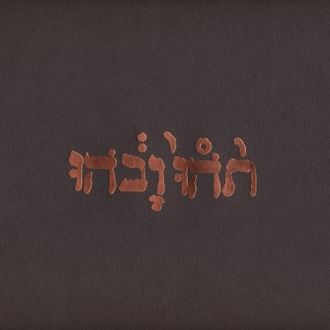
epAfter the success of their debut album, GYBE released an EP.  Being ever cryptic, the EP cover is a series of letters in Hebrew, with no mention of the band.  The Hebrew says: “Tohu va bohu” (formless and empty)

There are two tracks on this disc.  The first is called “Moya” and is something of a reworking of Gorecki’s third symphony.  The second is “BBF3” which refers “Blaise Bailey Finnegan III” the man who rants through much of the song.

“Moya” is ten minutes long (on vinyl it is played at 45 RPM).  Ominous strings open the song.  Indeed, much of the song is made of violin and cello passages intertwining.  Until about 4 minutes when the guitar starts playing.  Drums bring drama to the song about half way in.  And that’s when the guitars and strings intertwine to make a huge sound.  By around 7 minutes the song has built to a huge crescendo, but the addition of pounding bass makes everything even more intense.  It resolves with a great fast riff from the strings which the band plays for a few minutes until it settles down with just a cello and violin playing the end.

“BBF3” is a nearly 18 minute piece (on vinyl it is played at 33 RPM) with waves of music behind Finnegan being interviewed.  He tells about the American government and then about his speeding ticket (and what he told the judge–“shut your fucking mouth and listen”).  After about 3 minutes, the music changes to a new chord, a brighter sound.  As BBF3 declares that America is a “third world, third rate, third class slum,” the drums get very loud and then drop away to near silence.  The guitar pokes around quietly for a bit until it turns into a big song–drums and strings and guitars that only grows bigger as it progresses.  It builds more and more and then drops away again as BBF3 begins talking again, this time about his gun collection.  And then he reads his “poem” (which is actually the lyrics to an Iron Maiden song, “Virus”).  And then the song builds once again.  This time faster and more intensely.  It more or less grinds to a halt at around 15 minutes and then resumes after a few second of silence with some strings resuming a mournful melody until the end.

This is a pretty intense collection of music. And according to Wikipedia, Users of the website Rate Your Music rate it as the greatest EP of all time.

Godspeed You Black Emperor! has had a few lineup changes over the years.  For this EP, they changed violinists and lost the french horn. 

  • Thierry Amar — bass guitar, double bass
  • David Bryant — guitar, tapes
  • Bruce Cawdron — drums, percussion, keyboards
  • Aidan Girt — drums, percussion
  • Norsola Johnson — cello
  • Efrim Menuck — guitar, keyboards
  • Mike Moya — guitar
  • Mauro Pezzente — bass guitar
  • Sophie Trudeau — violin [replaced Christophe – violin]

no longer with the band: Thea Pratt – French horn

[READ: January 26, 2016] “How to Become a Mascot”

This story is indeed a how-to account of becoming a mascot.

It is even told in a technical manual type of style.  Although the beginning is pretty unexpected: “First, quit you day job and go back to school, even though you’re thirty-two already.  Do this because your boyfriend is dead and you will never get to run your fingers trough his curls again.”

But aside from this rather dark opening, the rest of the story is kind of funny.

The narrator is aware of a gingerbread man costume at the local outdoor shopping centre–her aunt works administration there.  No one knows how the costume got there, but she thinks it would be a good idea to take it on as a job–$15 an hour.

The first few paragraphs describe fitting it and getting used to wearing it.  “Burn 700 calories trying to undo the zipper.”  Then you must learn routines and dances. (more…)

Read Full Post »

walrusSOUNDTRACK: GODSPEED YOU BLACK EMPEROR!-F♯ A♯ ∞ [CST003] (1997).

faGYBE is more or less the flagship band for the Constellation label.  Their band has spawned many other bands, and nearly every member has played on someone else’s record or released a solo album.  Which is why it’s surprising to realize just how few albums they have released.

This first album caused quite a stir.  It was released on vinyl and then released (with an extra 29 minute song) on CD.  Few bands sounded like this before, and a whole new genre was created around their brand of multi-piece, sorta orchestral post-rock.

There are three songs on this record, but based on some information given in the CD, the songs have been informally broken into parts.

The Dead Flag Blues.  The song opens with “The Dead Flag Blues (Intro).”  It features a rough-voiced man speaking what I have recently learned is a script by Efrim Menuck.  Backed by a string melody, the speaker describes a derelict city, where the government is corrupt and the inhabitants are drunks.  After the strings fade, two guitars play a repeating motif with occasional string fills and then a slow solo violin section which fade to silence

For part 2 “Slow Moving Trains” / “The Cowboy…”  the sound of a train whistle interrupts the quiet.  It’s followed by a series of slow descending notes on a guitar.  After a few minutes a twangy guitar comes in to play a Western-ish motif.  The rest of the band slowly comes in and creates what sounds like the first real Godspeed sound—a full band making beautiful orchestral instrumental music.  It’s all too brief though as it melds into part 3.

Part 3 is known as “The Dead Flag Blues (Outro).  It opens with violin and glockenspiel playing a much more upbeat tune.  It lingers for around 2 minutes and then the songs ends.

“East Hastings” has three parts as well  “…Nothing’s Alrite in Our Life…” / “The Dead Flag Blues (Reprise)” opens with bagpipes and a man ranting.  It’s only 1 minute and a half before “The Sad Mafioso” kicks in.  This part builds slowly with spare guitars and waves of sound.  The guitar reconciles itself to a riff, slow and quiet, with a neat minor note in the middle.  It sounds like the kind of thing that is just building to something bigger, slightly more ominous.  And as the band kicks in again, the riff becomes much more meaty, but before it can totally take over, it gives way to strings and drums–playing a simple melody that continues the feeling of the guitars.  When this ends, far in the distance you can hear a voice singing the melody although it is quickly replaced by two guitars  playing the riffs while the strings keep jumping in.  And then they start working together, growing bigger and louder and faster.  Until it reaches its end with squealing feedback and a man saying “they had a large barge…” which opens up part three, “Drugs in Tokyo” / “Black Helicopter.”   This last part opens with a guitar playing harmonic notes along with washes of noise and feedback.  Some of the noise sounds, yes, like helicopters (and this is where the band makes some use of the coolness of headphones).  It’s a brief section that ends what is technically side one (although I see that the vinyl had about one minute extra at the end of the song).

Track three, “Providence,” is 29-minutes long and has five or six parts, depending on if you include the 3 minutes of silence.  “Divorce & Fever…”  opens with a lengthy spoken piece by “Blaise Bailey Finnegan III”, who will have his own track dedicated to him on the next GYBE release.  The music opens with distorted and backwards sounding guitars.  Organs add to the mix and then this short section morphs into part 2.  “Dead Metheny…” begins with some quiet guitar notes with the violins playing some mournful notes.  But the glockenspiel jumps into play a pretty, fast melody.  And then the drums start pounding away while harmonic chords are played over the top.  There are simultaneous guitar solos in each ear while the drums continue to play loud and fast.

Kicking Horse on Brokenhill” has a staticy/echoey/distorted voice singing lyrics that are really hard to hear to a melody that is similar to “Amazing Grace.”  After that fairly unsettling intro, the band begins a great section with multiple guitars and other instruments playing the same melody (this is the “Godspeed sound” in a nutshell.  By the middle of this, it has built to something enormous–full of guitar lines and drums with the support of what feels like the rest of the band.

“String Loop Manufactured During Downpour…” has a distant voice (I assume from a record based on the static) begins singing “where are you going” in a rather haunted echo).  The rest of the track is primarily washes of notes and stat icy noise until the 3 minutes of silence which precede the final proper track, “J.L.H. Outro” (stands for John Lee Hooker).  It begins with guitars and washes of sound.  The guitars begin exploring the main riff in different ways.  When the song finally builds to a full band, there are different drum beats in each ear, creating a big cacophony of sound while the guitar wails away.

It’s a pretty great album, with many different elements–weird spoken word and fantastic instrumentals sections.

Godspeed You Black Emperor has had a few lineup changes over the years.  They began with some 15 members and ultimately settled on these ten for F♯ A♯ ∞.

  • Aidan Girt – drums
  • Bruce Cawdron – percussion
  • Christophe – violin
  • David Bryant – guitar
  • Efrim Menuck – electric guitar
  • Mauro Pezzente – bass guitar
  • Mike Moya – guitar, banjo
  • Norsola Johnson – cello
  • Thea Pratt – French horn
  • Thierry Amar – bass guitar

[READ: January 26, 2106] “Cowan”

The previous Walrus story that Bertin wrote (back in 2013) was very dark.  And so is this one.  But whereas I found “The Eviction Process” compelling, this one I just didn’t like and couldn’t wait for it to be over.

This strikes me a kind of redemption story–the word guilt is mentioned once or twice.  And it seems like perhaps this was the author’s attempt to make amends for being a shit heel. Except there is no real sense of redemption or apology or anything of the sort.

The end even seems like the narrator is simply lying. (more…)

Read Full Post »

  uberSOUNDTRACK: RHEOSTATICS-The Casbah, Hamilton, ON (November 12, 2005).

casbahThis is the first show of their’s that I’ve heard open with a kind of jazzy instrumental.  MPW is playing a jazzy beat on drums and Martin seems to be noodling on mellow chords (or is that Tim?).

And then they kick into a mellow version of “Bad Time to Be Poor” which I feel doesn’t sound quite right.  It may be the recording levels (the quality is crystal clear), but it feels very sharp and not very relaxed.

For “Aliens,” Martin forgot the words a bit.  And when he starts “The Tarleks” Dave interrupts after the first line to say that Frank Bonner (Herb Tarlek from WKRP in Cincinnati) emailed him and said that he’s on an internet soap opera now.  Then they start talking about Green Day (who Martin describes as “chicken little punk”–the sky is falling but I’m drinking bottled water.  But he is mostly upset because instead of holding up lighters people are holding up their fucking cell phones.

Once again the “Song of the Garden” is punky–fast and fun.  They also have a ton of fun with “Four Little Songs.”  Ford Pier is playing keys again, and his contribution is an old song called “Nanaimo.”  He had asked if they should do “Mustang Sally” and Dave said that if they play that it will automatically be the worst gig ever.  And they throw in the (I believe intentionally) worst rendition of “Smoke on the Water” I’ve ever heard.  Later on, Martin throws in the riff from “Hey Hey My My” into “Feed Yourself” and as that song ends he starts singing the Neil Young song, but he’s got the words all wrong too.  It’s pretty funny, especially when he sings “It’s better to burn out than it is to fuck up.”

“Power Ballad for Ozzy Osbourne” has a lengthy intro about Billy Joe Rent–I have to wonder if this and the middle part of “Feed Yourself” about the dead body are impromptu things Dave makes up and then maybe sticks with.

“Satan is the Whistler” i sloppy but good.  Until they get to the fast section which totally falls apart.  Then they count off 1,2 ,3 4 and speed through it much better.

Martin talks about his CBC movie Black Widow, which I’d love to see.  Is it available for viewing anywhere?

Paul McLeod (his band Hibakusha opened, I believe) sings a great version of “Jesus was Once a Teenager Too.”  They follow it with a great version of “Stolen Car” (with some amazing backing vocals in the “marijuana” section.

In the previous show, “Try to Praise his Mutilated World” was amazing, but this one falls a little flat I’m afraid.  But it is all made up for by the hilarious synth “Record Body Count, Now!” done to the tune of “Everybody Dance Now.”

As the show comes to an end they play “Legal Age Life” and someone shouts “Take it, Ford,” and he seems stunned and then plays an incredibly lame (again, I believe intentionally) solo.

It’s a sloppy but fun show and comes up to their multi-night run at the Horseshoe.

[READ: September 10, 2015] “The Last Cut”

This is a very short story and an emotionally draining one at that.

The premise is fairly simple.  Eric, a hairdresser, is happily cutting his new client’s hair.  She is pretty and is willing to try a dramatic new cut, which he believes will really accentuate her looks.  He is mid-way through the cut when he gets a phone call.

It is Mrs. Swenson.  She is Renee’s client, but Renee is out for a couple of days.  Mrs. Swenson says that she needs to have her hair cut tonight.  And then there’s this dramatic line: “His throat and eyes ached. His chest, too. He wished he had found a way to say no to Mrs. Swenson.” (more…)

Read Full Post »

walrus jun SOUNDTRACK: RHEOSTATICS-Starlight Club, Waterloo, ON (November 5, 2005).

starlightAfter a summer tour, the Rheostatics live site picks up again in November with this, the first of the last few shows the site has until 2007.

This recording was recently added by Soundmann.  The quality is excellent, and the show is fantastic.

It opens with a tremendous version of “Saskatchewan.”  Then Dave throws in some banter about driving through town and that Ottawa Street exit.  He also comments that Kitchener has really let itself go.

We also find out that Martin is getting shocked by his microphone, which will happen periodically.

They play a really fun version of “Me and Stupid” with a rocking ending.  Later the crowd is really into the “Hey hey ho ho” ending of “Polar Bears and Trees.”

It also turns out that Ford Pier is helping out on keyboards tonight (although he seems kind of shy about it).

Tim seems to be having a slightly off night, though.  His vocals on “Marginalized” make him sound a little under the weather, and he is really creaking on “Here Comes the Image.”  And in “P.I.N.” he forgets to play the opening bass note after Martin’s guitar, and they all kind of lose it for a bit.  They seem to be laughing and there’s no words until the second verse.

At the end of “Image” someone in the band asks “Michael” to tell us a story about the end of the world (he doesn’t).

At the end of “Jesus was Once a teenager Too” Martin gets a shock and walks off.  Someone comments that in the past “every time we gave Martin an  electric shock we’d give him a cigarette.”

Despite Tim’s poorer vocals earlier, they sound great for “Claire” and it is one of the best versions of this song ever.

“Stolen Car” is also great (Martin gets shocked again) it’s a long version with a lengthy jammy section and a noodly keyboard solo.  There’s even a really aggressive punky “drive away” section.

“Power Ballad for Ozzy Osbourne” features Tim on drums (!) and Ford on keyboards.

Then they bust into a lengthy version of “Feed Yourself” with Trevor (whoever that is) on lead vocals.  It sounds weird with someone very unlike Dave singing.  But I like when he modifies the line “Like a box a chocolates and a Beatles song. These are the things you can count on” to “Like a box a chocolates and a Rheos song. These are the things you can count on.”  There’s a long jam in this song too. And the end of the song sort of morphs into “Record Body Count” with Martin singing the new song while the old song is still in place.  The band doesn’t really catch up until the 2nd verse.

Before the encore they talk about their upcoming ten night run at the Horseshoe.  But don’t come on Tuesdays since Tuesdays are free the band only gives 65%.  The encore features “This Song Ain’t Any Good” which Bidiniband will record later.  “Self Serve Gas Station also has an interesting jam at the end.

For the last few songs, they play a really punky version of  “Rock Death America”with a verse of Surrender thrown in for good measure.   And they end with “Four Little Songs” Paul McLeod comes out for a little song and winds up singing the Rheos’ old song “Crescent Moon.”

What a great show.

[READ: September 7, 2015] “Montana Border”

I don’t often read stories about fighters, but I find that when I do, I rather like them.

This story was really interesting in its timelessness and almost placelessness.  It could start anywhere, although it ends bear the Montana/Canada border.

Daniel earns his living by beating people up.  He travels from town to town and gets into cage matches.  They are a no holds barred, winner by knockout kind of deal.  And he is really good at it.  He’s not that big, but he is scrappy and he has only lost one fight.  Well, he is 12-1 in official fights but he has won many other, less official ones.

Hardcastle has a great vocabulary for the fights.  I like when Daniel hit his opponent who had “gone down like someone hit the off button and now he lay there limbstretched on the mat.” (more…)

Read Full Post »

2015-07 SOUNDTRACK: RHEOSTATICS-Babylon, Ottawa, ON (July 15, 2005).

babylonContinuing their summer run, the Rheos returned to Ottawa for this show. The recording is a bit muddy and kind of low.  But the crowd is really into it, shouting out requests all through the set (which seem especially loud, given the recording).  One guy wants to hear “Queer” really badly (and he gets to).

Perhaps it’s the recording, but the usually angry sounding “Marginalized” feels a but muted here.  On the plus side, during the short drum break in “I Dig Music” MPW is able to get the “Lakeside Park” fill in perfectly.

I learned that “Night of the Shooting Stars” is an actual Italian holiday (known as The Night of San Lorenzo).

This is the first time I’ve heard them play “”Try To Praise This Mutilated World” which is based on the poem by Adam Zagajewski.  Th recording has a poem within the song (“The Expected” by Ken Babstock) read here by Andy Creeggan.

After this, the band loosens up some.  They start “Four Little Songs” and then invite two guys from the mailing list who came all the way from NYC up on stage.  Rather than making up a little song, the guys sing “Legal Age Life” (and quite well).  The song resumes with one little song and throw in a bit of The Doors’ “The End.”  And they follow that with “P.I.N.” which has a bit of “My Humps” in it!

There was another guy who was calling for “Satan is the Whistler” all night.  And when they finally played it, it was outstanding.  Then the crowd cheers for “Shaved Head” and they absolutely kill on that one too–I wish the recording quality was a little better because the show is great.

[READ: September 7, 2015] “Prends Donc Courage”

This story bugged me right from the get go.

It seemed like the author was trying to write a story about a defiantly nontraditional group.  There’s a washed up former TV star, there’s a guy with a phantom limb, a guy who is collecting pinball machines, and they are all more or less destitute.

And that can be interesting, but I felt like the story was pushing me away the more I tried to read it.

The main character is a guy named Blue.  He is the former TV star.  His friend Mitchum is amassing old pinball machines in a garage that is dilapidated (so how did he gets these expensive machines?).  The “arcade” is to be called Sick Bay (in honor of Blue’s act–although that’s not really explained).

Blue doesn’t speak, and hasn’t spoken for some time–mostly he’s afraid to find out that his voice doesn’t work anymore. (more…)

Read Full Post »

2015-07 SOUNDTRACK: RHEOSTATICS-Stan Rogers Folk Festival Canso NS (July 2, 2005).

stanBack in 2005, the Rheostatics played two days at the Stan Rogers Folk Festival. The first day’s show was a kind of mash up of the Rheostatics and other bands.  Indeed, the recording includes some other artists along with the Rheos.

The sound quality of the recording is okay, but there are some really loud gusts of wind that seem to mar the sound.

They talk about how they are there to represent the excellence that is Toronto.

The second song is by The Chucky Danger Band (who later changed their name to Paper Lions). It is called “Hola” and is pretty fun (there’s a story about them being in a foreign country and writing a song with these simple words in Spanish.

Then the Rheos come back and they are joined by Suzie Vinick and Jill Barber.

Suzie sings a folky, unusual cover of Led Zeppelin’s “Rock n Roll.”  Then Jill sings her own “Nothing on Me” a nice folk song.  Then they do a super fun version of “Red Dog Ray” by Hank Fisher.

It’s back to Suzie with her cool song “A 7 minor.”  Then a folky rendition of “Bad Time to Be Poor” with great backing vocals

Suzie gets one more song, this time, her own “Happy Here.”  The last track is a fun rendition of “Claire” with a kazoo solo!  It seems like a perfect folk festival setting.

[READ: September 7, 2015] “Working Clean”

This is the first story I’ve read by Ruthnum.  It went in a direction I totally did not expect.

I enjoyed the way it opened: “I got my break and found my wife on the same day.  The wife part happened by coincidence, but the break–getting in with Jeev–that was a coincidence I made happen.”

So this story is about stand up comics on the comedy set.  The narrator, Ed Brooks, and his friend Richie Hagen are struggling as standups.  In fact, they both got in trouble at work for calling in sick when his boss heard them on the radio.  But Jeev is doing great.  And they agree that they hate him.

Jeev was in town because he needed clean material for his upcoming appearance on The tonight Show.  So he was working in small clubs to prefect his act.   The audience didn’t know who he was, but he still killed.  He was on the same bill as Richie and the narrator, but he seemed oblivious to them. (more…)

Read Full Post »

2015-07 SOUNDTRACK: RHEOSTATICS-Fredericton, NB (April 8, 2005).

fredAfter a night of seeing the Rheostatics, how could I not go and revisit some more shows.  This time from 2005.

I get a kick out of the shows that are listed in a town but with no club attached.  I wonder how many clubs there are in Fredericton?  Anyhow, this recording is really quiet, but it is quite clear, which is nice.  The opening band was Grand Theft Bus, and one or two of the guys from GTB join on a song or two.

The show begins kind of mellow, with a slow (but really good) version of “King of the Past.”  Dave is uncharacteristically quiet and even says he doesn’t feel like talking much.

Tim reveals that “Bad Time to be Poor” was written about Ontario MP Mike Harris.  Someone is out of key and forgot to use a capo as the song starts.

For the 8 minute “Here Comes the Image,” they mix it up “if you think Dave on the drums is exciting, wait till you hear Tielli on the bass. and MPW plays keyboards and “excess.”  Then they play “Pornography” which is about the pornogrification of the USA by George W. Bush (obviously) with someone stating “Fuck him” before launching into the song.   They were so political that night!

Before “Alomar” some shouts “Adios Roberto Alomar.”

There’s a rather punky version of “Song of the Garden” and “Satan is the Whistler” proves to be sloppy but fun.

“Take Me in Your Hand” is a really delicate version with beautiful harmonies and no ending coda.  Dennis from GTB plays a solo during “Legal Age Life” and the finale of “Fan Letter to Michael Jackson” opens with Tielli’s robotic voice processor and devolves into a rather vulgar version of the song.

All in all, it’s a good show, with the guys having a fun time with the openers.

[READ: September 7, 2015] “One Hundred Knives in the Air”

I enjoy Malla’s stories quite a bit.  They are typically atypical as is this one.

Set in a grade school, the kids are all delighted to witness their guest performer, Jenny Balak, who is a knife juggler.  (I love the idea that a school would bring in anyone whose sole juggling item is knives!).  But more than simply juggling them, Jenny is able to keep one hundred knives in the air at a time.

The knives hover way up in the air like a cloud, as she somehow touches only one or two which seem to keep the entire group aloft.  The children (even Yusuf, the one kid who can never sit still) are transfixed.

And then Jenny starts telling a story. (more…)

Read Full Post »

« Newer Posts - Older Posts »