 SOUNDTRACK: “This is Halloween” (The Nightmare Before Christmas) (1993).
 Danny Elfman is pretty awesome at creating catchy and spooky songs.
This song, the theme from The Nightmare Before Christmas, is remarkably catchy. I mean you hear it once and you’re singing “This is Halloween, This is Halloween!” and it leaves you feeling pretty good and excited for the holiday.
Somehow while you’re watching the movie, the creepiness is in the visuals more than the lyrics. But divorced from the movie, the lyrics (and vocals are really creepy).
I am the one hiding under your stairs fingers like snakes and spiders in my hair.
or better yet
I am the clown with the tear-away face
Here in a flash and gone without a traceI am the “who” when you call, “Who’s there?”I am the wind blowing through your hairI am the shadow on the moon at nightFilling your dreams to the brim with fright
That’s our job, but we’re not mean
In our town of Halloween
[READ: October 20, 2018] “How He Left the Hotel”
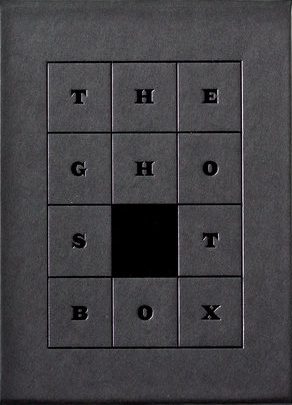
Just in time for Halloween, from the people who brought me The Short Story Advent Calendar and The Ghost Box. comes Ghost Box II.
This is once again a nifty little box (with a magnetic opening and a ribbon) which contains 11 stories for Halloween. It is lovingly described thusly:
The Ghost Box returns, like a mummy or a batman, to once again make your pupils dilate and the hair on your arms stand straight up—it’s another collection of individually bound scary stories, edited and introduced by comedian and spooky specialist Patton Oswalt.
There is no explicit “order” to these books; however, Patton Oswalt will be reviewing a book a day on his Facebook page.
Much respect to Oswalt, but I will not be following his order. So there.
This is a classic ghost story. When I read it I had no idea that it was over 100 years old. The only giveaway to time frame is the character of the elevator operator–but even that gives it a date range of some fifty years or more).
This story was written in first person by the elevator operator–former elevator operator, as he left the job after the incident.
The man was a soldier. He doesn’t mind the job (and the pay) and he seems to enjoy the sociability of the position.
I rather enjoyed this idea:
why the Americans, that can speak English when they choose, and are always finding out ways o’ doing things quicker than other folks, should waste time and breath calling a lift an “elevator,” I can;t make out.
So there’s a good comic tone set up.
he says he noticed faces pretty well and became used to certain clients and their habits. One such client was Colonel Saxby, and older gentleman with a scar across his face. There was something stand off about him, but the narrator accepted it as part of being a colonel.
His pattern was broken when the chambermaid said the Colonel was ill. The operator hadn’t seen the Colonel for quite some time when he got a call from the Colonels floor just as the clock struck midnight.
Midnight was usually the operator’s time to go home, but he decided to take this last charge. It was the Colonel, dressed up in his finery. The operator said it was nice seeming him upright, but the Colonel said nothing. The Colonel left and just as the operator was saying he was going home, doctors rushed in and demanded use of the elevator. They were coming to see Colonel Saxby who was on death’s door.

 I Just Read About That...
Leave a comment