 SOUNDTRACK: RAFTER: “No Fucking Around” (2010).
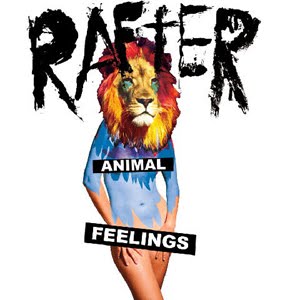 This song made one of The Onion’s AV Club voter’s Top Ten lists this year. The description was interesting enough that I had to go check it out.
Rafter is on Asthmatic Kitty, home of Sufjan Stevens, so I assumed the disc would be intriguing, if nothing else. The song starts out with an overly autotuned (practically mechanical) voice repeating the title. From there the song slows down with some interesting lyrics. As the reviewer said, it strips dance music to its barest essentials. This trend seems to be kind of popular lately, and I’ve noticed that when it works, the rests are very catchy, (when it doesn’t it’s boring as all get out).
Now, I first listened to the song with the video (see below) which I love. So I’m not entirely sure how much of my enjoyment of the song is predicated on the video.
However, I’ve now listened to it several times and my enjoyment grows with each listen.
Although I am always more interested in indie rock than dance and pop, occasional a pop song or a dance song will grab me and make me listen. LCD Soundsystem has had that effect, as has Daft Punk. I’m not sure if this whole album is as interesting, but I certainly enjoy this song.
Shame that I’ll probably never hear it without going to YouTube.
[READ: January 11, 2011] “The Years of My Birth”
This story impressed me both for its unexpected emotional pull and its twist (in a sense) ending.
When the story opens, we learn of the narrator’s birth: she was an undetected twin who was, for lack of a better term, squished by her brother. When she came out, the doctor said she would likely have birth defects; her mother, when asked if they should try to save the baby, shouted “No!”
But the nurse had already ensured the baby’s survival. The baby was disfigured, with a misshapen head and twisted legs, but she appeared mentally normal. And yet, since her mother had already rejected her, (and times were different then), the nurse, a Native American woman, took the baby home and raised her as part of their family. She even nursed the baby since she was already nursing a young girl at home.
The Native American family tended to her, working on re-shaping her head (with massages) and mending her legs (with stretching), and she found herself thriving (reasonably). Her adoptive family was very supportive and although her closest-in-age sister once said she’s never get in trouble because she was white, she formed a very tight bond with all of her adoptive siblings. Her brother even nicknamed her Tuffy because he knew she’d get a nickname eventually and he wanted to give it to her.
Tuffy lives a quiet, modest life, never making to many attachments, for fear of getting hurt. Nevertheless, she always felt a kind of ghostly presence in her life. She knew it was her twin, although she didn’t know where her brother was physically, what he looked like, or even what his name was. But their bond, or whatever it was, was always there.
And then one day out of the blue, she get as a call from her “mother.” She wants to connect. So Tuffy meets her for dinner and the truth comes out (just like a recent plot of 30 Rock): her twin needs a kidney. And your heart goes out to her. For so many reasons.
The last section of the story, though, reveals the depth of the character that Erdrich has created in Tuffy. Because even though she knows that this family has done nothing for her, she has this connection to her twin. Her family discourages her from contact with her “mother,” but Tuffy feels drawn to help. Even though she knows she owes them literally nothing, she starts to think that maybe she got the better deal in life.
And then we find out why he needs the kidney, and our feelings gets even more complicated. And when she finally meets her twin, things go in another direction altogether.
I was really surprised at how complex this short (4 page) story was. I was riveted, and as I mentioned, emotionally torn. It’s a great piece.

 I Just Read About That...
Leave a comment