 SOUNDTRACK: RHEOSTATICS-Cowichan Theatre, Duncan British Columbia, (January 23, 2000).
 Whoops, slightly out of order here, but no one’s counting.
This third night in BC was at the Cowichan Theatre. This night was held as a benefit for the Women’s Coalition Institute’s campaign against GM food. Luke Doucet’s band Veal opened, there were families and young kids in the crowd and Dave even talks about buying some art that was for sale.
Amazingly, the band plays nine songs that they hadn’t played the two previous nights. The only bad thing about this show is that 6 songs are missing from the posted recording (including a night-ending “Shaved Head.”) But the set still clocks in at an hour and fifteen minutes.
I found the audio a bit muffled on this recording. In fact, for the first few songs I thought Martin was hard to hear. Especially on “Stolen Car.” But he seems to get louder as the show goes on.
There’s a joke about Martin’s shirt–(like he took Greg Keelor’s shirt (Keelor was in Blue Rodeo). Martin admires his “cowboy look” and jokes about big city folks. There’s also a funny bit later about the Beatles where he seems to forget George Harrison’s name and says he was going to call him “Gino.”
Martin was still experimenting with the slower opening of “Northern Wish” here, which sounds cool. “Claire” sounds great (it’s the first time they played it in the three nights) although I wish the quality were a little better. There’ s great noisy solo inserted into it as well. And “Self Serve Gas Station” totally rocks.
It’s a shame that “The Wreck of the Edmund Fitzgerald” was cut off, along with the end oft he set but it s a good sampler of some different songs.
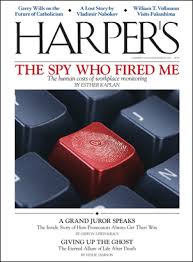
[READ: March 5, 2015] “The Man Stopped”
The introduction to this story says that it may be the last complete unpublished short story by Nabokov. It was written in 1926 and is believed to be a parody of the then current crop of Soviet writers who wrote in an ornamental pseudo folky style. The story is full of “rustic idiom” which has been translated to very rough English idiom by Gennady Barabtarlo.
Given that Barabtarlo describes the story as a parody I expected it to be funny, but to my ear it isn’t.
Indeed, it’s a very simple story of a man on a journey who is constantly set upon (verbally) by the locals. (more…)

 I Just Read About That...