 SOUNDTRACK: YES-Time and a Word (1970).
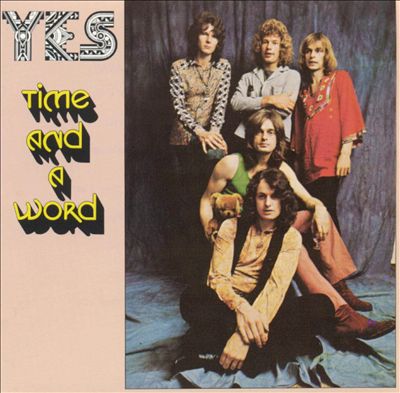 The second Yes album feels like a step towards what we know of the prog masters, but it’s more of set sideways as they have added an orchestra to the mix. Chris Squire’s bass sounds a lot more like the Yes we know, but those strings kind of mess with the synergy.
Opening track “No Opportunity Necessary, No Experience Needed” is a cover of a Richie Havens song (it’s hard to imagine such an original band doing so many covers). In this one, Chris Squire shows the kind of bass he’s capable of—big deep bass notes, high fast riffs and far more complex rhythms. It’s just odd that the song opens with a string version of title music from the movie The Big Country. There’s some cool bass sounds and drum fills. It’s a great opening song. The strings are a weird addition but I think they work here (mostly).
“Then” opens with some interesting descending keyboard chords. There’s some wonderfully dramatic moments in the verses and the chorus gets nice and big and catchy. The middle section has some good rumbling bass (with a strange addition of horns that give this a kind of soundtrack quality) and lot of keyboards. The lyrics are still pretty hippy “Love is the only answer hate is the root of cancer, then.”
“Everydays,” is another cover (Buffalo Springfield) is a kind of jazzy song with 70s keyboards and quiet jazzy drums. But after two minutes it turns into a heavy staccato riff that’s all bass and keyboards (and very cool). This is followed by a big jam with wild drums, keys and bass. It then jumps back to a mellow section of mostly vocals. It’s a pretty wild song.
“Sweet Dreams” opens with some very distinctive Chris Squire bass. The keyboards are big again. “Prophet” opens with some ponderous keyboards and then the string section playing. Then there’s some great loud bass playing. The main body of the song is nearly all strings, which is an unusual sound for Yes. But it’s just waiting for the bass to rumble in (opposite horns again). “Clear Days” is a 2 minute song which is all strings and Anderson’s voice. It’s an unexpected track on this album for sure.
But the final two songs are once again real highlights.
I love “Astral Traveller” or (as-ter-al trav’lr as it is sung). The opening chords are sharp and unusual. There’s some great rumbling bass and the chorus has some really interesting dissonance–really the first for the band who is usually pretty sweet up til now. There’s a keyboard section which feels a little displaced from the rest (later albums would make this kind of segmentation a bit more seamless) although Squire’s super high bass riffs are a fun addition. There’s also a great bass riff as the song heads to the final chorus.
And “Time and a Word” ends the album quite nicely. Although this song is more delicate than others, it has some great elements—guitar harmonics, some cool bass and a very catchy chorus. This record is pretty well overlooked (and is deservedly in the shadow of its successors, but there is some real quality stuff here).
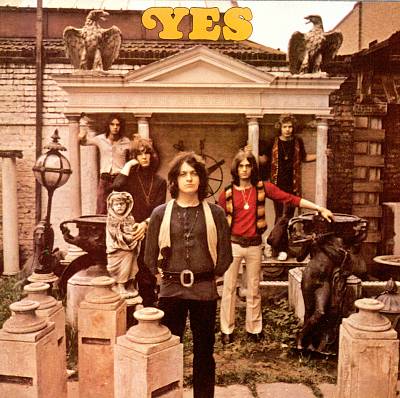
 I also just leaned that the original album cover was quite different from the one that Americans are familiar with.
Since almost every Yes album had different personnel, I’m going to keep a running tally here. Interestingly, it was the same lineup for these two records, but Peter Banks left right at the end of recording to be replaced by Steve How on the next album:
Chris Squire-bass
John Anderson-vocals
Bill Bruford-drums
Tony Kaye-keyboards
Peter Banks-guitar
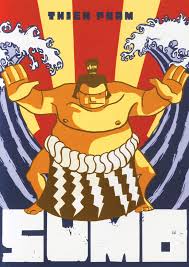
[READ: January 15, 2015] Sumo
I loved this book. I loved the illustration style (which was so very cool) and I loved the story which was simple but poetic.
The simple story is this: Scott is a football player with potential. But when things don’t pan out (and his girlfriend dumps him) he decides to try a different route. What if he becomes a sumo wrestler?
Scott is a blond haired American, but evidently this is not an unheard of transition, and so Scott decides to fly to Japan to try it out. Scott is blond with a big square head. Actually Pham’s drawing style is very blocky, which give it an especially memorable and interesting look
The book si told in 4 sections (and the pages are designated by the color/symbol of that section. The first is a circle in a square, which is primarily where we see Scott, in Japan, working out with the sumo.
The section (set off by a water tower) shows Scott on his last night at home–getting drunk with his friends. They are sad to see him go, but wish him well. Until his ex girlfriend comes in and wants to talk to him. (more…)



 I Just Read About That...