 SOUNDTRACK: YES-Close to the Edge (1972).
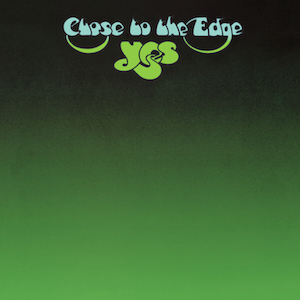 Having such success with Fragile, the same line up toured that album and then planned a tour for the successful follow-up Close to the Edge. This album is the first one to feature their now iconic logo and a clearly designed by Roger Dean album cover (even if it’s fairly plain).
This is also their first album to feature a side one suite, the title track “Close to the Edge.” It also features only two other tracks (10 and 9 minutes each). And despite (or because of that) it was a huge success.
“Close to the Edge” opens with part I “The Solid Time of Change.” The opening is soft and then blam, some crazy guitar lines over a fast and complex bass line. There’s so much going on it’s near cacophony for 3 minutes (I’m not even sure how they did it). Until a beautiful soaring guitar riff breaks from the noise. I love that Howe plays the riff a second time with slight variation to it—really keeping it interesting and complex. And at nearly 5 minutes we get to the “close to the edge” chorus, or at the first part of it (I also love that the chorus gets bigger as the song progresses). I don’t really know where the “parts” begin, (confusingly they sing the titles of the sections through the song).
Ok, so Wikipedia tells me that part II “Total Mass Retain” begins with the big thudding bass at around 6:04. And part III “I Get Up, I Get Down” evidently starts right after the keyboard solo around 8:28 which begins with the slow washes of keyboards. It is the mellow section with the multiple layers of vocals and the gorgeous church organ. Part IV “Seasons of Man” starts with the reprise of the earlier music (in a weird key change). There’s a lengthy keyboard solo here and then more vocals reprising all of the section with a slightly different feel. Until it all fades out much like it faded in. It’s a dynamite track and never feels 18 minutes long.
Side two has two songs. “And You And I” is only 10 minutes long but it too has 4 parts.
Par I “Cord of Life” opens with what is more or less guitar tuning (although it sounds lovely with his guitar). And then there’s some very pretty acoustic guitar playing. I really like when the bass notes come in around 1:15 and then there’s Wakeman’s keyboards. It gets big and bassy just at the end of part 1. Part II “Eclipse” starts around 3.48 right after the “call” when the big orchestral instrumental kicks in. This part lasts for 2 and a half minutes.
The opening guitar returns and then part III “The Preacher, the Teacher” begins with a new guitar section (and more keyboards) this is more or less a reprise of the other verses. Part IV “The Apocalypse” is just 52 seconds long and is the reintroduction of the “and you and I theme” (and is not apocalyptic at all).
“Siberian Khatru” is 9 minutes but only one part. It opens with a fast cool guitar riff and then adds a fast cool keyboard riff. The bass rumbles through and the guitar floats over the top. There’s a great guitar riff that comes in around a minute in, which is the main riff of the song. And then there’s some harmony vocals After the harmonies, the song sort of resets and we get another verse with more great harmony voices. The keyboard solo is on a harpsichord and sounds very classical. Then there’s a trippy guitar solo. A new section of song starts around 4 and a half minutes. Around 6 minutes the song switches to the ending coda, a smooth cool riff with a guitar solo floating over the top. The band jumps in with a sung staccato “doh dah doh” bit which sounds like it would end the song, but they’re not done, there’ another refrain of that cool keyboards section with a neat noodly guitar solo.
This was a band of soloists that were at the top of their game and not only did great work by themselves but played very well together.
Since almost every Yes album had different personnel, I’m going to keep a running tally here. Two albums in row with the same lineup!:
Chris Squire-bass
John Anderson-vocals
Bill Bruford-drums
Rick Wakeman (#2)-keyboards
Steve Howe (#2)-guitar
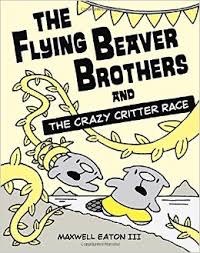
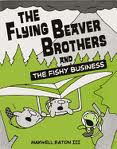
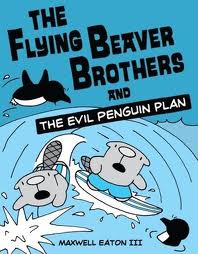
[READ: June 30, 2015] The Flying Beaver Brothers and The Crazy Critter Race
I love the Flying Beaver Brothers. And even though the last couple haven’t been quite as awesome as the first ones, this one has definitely brought the series back on an upswing.
The book casually mentions the baboons from the previous book and what they did to Beaver Island (don’t ask) and then gets right into the action. A local businessman is having a race. Everyone is invited to replant the trees that the baboons destroyed and the winner will win a houseboat.
Turns out the entrepreneur is named Crazy Critter (they assumed that was the name of the race) and he is super gung ho about getting the race started. In Crazy Eddie tradition, he calls himself crazy a LOT. (more…)










 I Just Read About That...