 SOUNDTRACK: FLY PAN AM-Sédatif en fréquences et sillons EP [CST011] (2000).
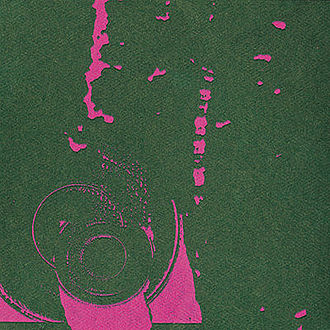 This is an EP that works as a kind of remixes and deconstructs further the debut. There are three songs, the first is fourteen minutes, the second is 11 and the final is 4. As the Constellation site describes the disc:
This 3-song EP of fractured, tape-infested experiments is an intransigent slab of self-referential auto-criticism. The band was sticking to its agenda of acutely self-conscious musical manipulations, re-working its own materials and assumptions to yield new compositions of uncompromising formalism. Side A is a medley of sorts, consisting of phrases and fragments reconfigured and replayed from their self-titled debut (Fly Pan Am). Various melodies are reassembled and played off of one another, creating an extended live remix with blissful passages of layered guitars, drones, sampled backing vocal lines, and the requisite incidental noise break in the middle of the piece. The result is something like a ‘Stars On 45’-style musical encapsulation of the entire debut record.
“De cercle en cercle, ressasser et se perdre dans l’illusion née de la production de distractions et multiplier la statique environnante!” (“From Circle to Circle, Rehash and Get Lost in the Illusion Born of Production and Increase the Static Distractions Surrounding!”) opens with the sounds of machinery rumbling and then slowing to a stop. The song proper opens with a rapid bass line and squalls of feedback. Some beautiful guitars play over the noise. More guitars come in along with all kinds of crazy noises—scrapes and scratches, radios and distortion.
The propulsive music stops around 3 and half minutes in and the noise takes over. There’s loud noises and static and all kinds of things. Then the noise shifts to what sounds like someone emptying a bag of ball bearings onto a metal table. And then maybe making microwave popcorn. About five minutes later (seriously) a drum starts playing in the background and then a guitar line that references the debut album starts up. It sounds a bit like the two note guitar from “Dans ses cheveux soixante circuits” with the voices from “Nice est en feu!” thrown on top. And then at 11:20 that two note half-tone thing from “Dans ses cheveux soixante circuits” resumes, but it’s only for 20 or so seconds before different sounds come to take away the repetitiveness (although the guitars do continue that until the end of the song). It seems like the band wanted to revisit their debut but also wanted to make sure that it was properly buried under chaos as well.
The second song “Éfférant/Afférant” (“Unrelated / Related”) (11 minutes long) is described as “somnambulist clockwork repetition.” The bass and drums are kinda funky with some simple guitar chords playing in the background. While things do change somewhat throughout song (including notes that seem inappropriate at times), the main source of change is the weird electronic sounds that play over the top. The noise starts to grow louder and louder around 9 minutes and just when it gets unbearable it fades out to the end of the song.
“Micro Sillons” (“LPs”) is only 4 minutes long and it opens with static and noises—different ones in each ear. After about three minutes of that, the noise mutates into a kind of machine-like hum.
This is definitely a challenging listen. There are rewards to be had, and it s amazing what good songwriters these guys are, if they’d ever let their songs stay unmolested.
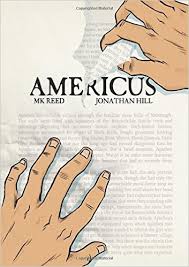
[READ: December 17, 2015] Americus
I didn’t really have any idea what this book was about–the title Americus evokes many different things.
So imagine my surprise to find out that this First Second graphic novel [go First Second!, #10yearof01] tackles the idea of banning books in schools. It looks at religion, freedom of speech and middle school.
The story is about Neil Barton, an unpopular kid who loves fantasy and books, especially the Apathea Ravenchilde series (such a great name). Neil and his friend Danny race to library after school because the latest volume is out. Neil is bummed that his library could only afford one copy of the book (budget cuts!) and Danny gets it first. And as he starts reading, the artistic style switches to the Ravenchilde world (I loved that).
Then we meet Neil’s and Danny’s families. Neil’s parents are divorced. He lives with his mom who is harried and exhausted. Danny’s family is an intact nuclear family, with two younger siblings. And we learn soon enough that his mother (and father to a degree) are very Christian. (more…)



 I Just Read About That...