 SOUNDTRACK: JOHN ZORN-“The Dream Machine” (2013).
 This is the title track to the third installment of instrumental albums by composer Zorn (as opposed to wild sax-player Zorn). The new album is called Dreammachines. Evidently this trilogy is somehow related to William S. Burroughs (sure, why not). The first was called Interzone (and was three 15 minute-plus suites), the second was Nova Express (which was shorter pieces) and now Dreammachines (which is also shorter pieces).
It’s impossible to know what Zorn will throw at us next, but this song proves to be a beautiful jazz piece with the quartet of pianist John Medeski, bassist Trevor Dunn, vibraphonist Kenny Wollesen, and drummer Joey Baron. It opens with a quick but pretty vibraphone melody. The melody shifts keys but stays in the same pattern until the main melody kicks in.
Variations on the theme continue until about 2 minutes in when Medeski gets a big piano solo and this sounds more like traditional jazz than most Zorn pieces. Then there’s a very cool vibes solo. It’s pretty standard jazz and it’s really quite beautiful.
[READ: September 20, 2013] 2 book reviews
Bissell reviews two books this month.
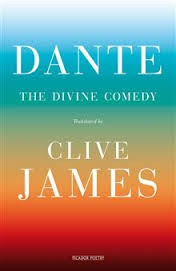 The first is Dante’s Divine Comedy as translated by Clive James. James has decided that since Italian is so easy to rhyme “For an Italian poet it’s not rhyming that’s hard,” rather than following Dante’s linked terza rima rhyme scheme, he chose the rhyming quatrain. Bissell expects that academics and traditionalists will be very suspicious of the book because of that, but he says that for the average person (the average person who wants to read Dante, of course), it will be more fun and enjoyable. Especially, James popularizes the book. I have always resisted The Divine Comedy but this one sounds like it might be a bit more fun, and isn’t that what reading is all about?
 The second book is The Magical Stranger by Stephen Rodrick. When Rodrick was 13 his father died in a military plane crash. His carrier was en route home when it was told to reroute to help with the hostage crisis in Tehran. But his plane was destroyed. The hardest part for Stephen was when he read that the accident was deemed “pilot error.”
This book is Stephen’s attempt to learn more about his father. Through the course of the book, he discovers more and more unpleasant facts about his father—from the lies his father told his mother to a pilot who knew his father who calls his an asshole. Bissell finds this part of the book very moving but not quite warranting a novel length treatment.
But there is a secondary story about the man who now commands his father’s squadron James Hunter “Tupper” Ware. Bissell says that this part of the story is far more engaging (Stephen is a journalist and this section is more investigative). Stephen more or less tries to live his father’s life through Ware, a man who finds the same level of difficulties in his job and his life as Rodrick’s father did.
This is definitely not the kind of book I would read, but for those with an interest in the military and pilots its sound like a good warts-and-all investigation.

 I Just Read About That...
Leave a comment