 SOUNDTRACK: BLACK SABBATH-Sabbath Bloody Sabbath (1974).
 Henry Rollins, on Think Tank talks about the “el niño” storms from several years back. And he says that el niño means “little boy,” but the damage the storms did means they should have called it something scary and powerful like “The First Four Black Sabbath Albums.” I have to say that leaving out this fifth album is a great disservice to the power of Sabbath Bloody Sabbath.
“Sabbath Bloody Sabbath” opens the disc kicking and screaming with a wonderfully raw guitar riff. Strangely, for such a powerful opening, it then segues into a very gentle almost loungey section (which hilariously, is the section where he screams “You bastard!”). But when we hit three minutes, the song really catches fire. The heavy pounding riff, the screaming vocals, the end of this song is astounding. And it explains why this song is covered so much (Anthrax, The Cardiagns).
“A National Acrobat” follows with another great riff. As the song progresses, the bridge section, rather than going more ballady turns a bit more psychedelic with some cool effects on the guitars, yet it maintains the heaviness of that great riff. It ends with a rip-roaring guitar solo and speeding end.
“Fluff” has always been one of my favorite acoustic numbers. It’s a very delicate acoustic guitar picking piece that builds in complexity as pianos are added over it.
“Sabbra Cadabra” is another great, fast rocker with a clever name. This one is a love song, which seems weird, but it works. Of course, here’s where the real weirdness kicks in: Rick Wakeman (yes, that Rick Wakeman) plays synths and pianos in the middle section. What is totally fascinating about this, though, is that this keyboard-heavy section is not a ballad, it’s heavy guitar with a piano solo or psychedelic-wash feel. It doesn’t detract from the heaviness of the song, but it introduces a weird almost Jethro Tull element to the proceedings. It’s pretty cool.
The second side sees the band experimenting even more.
“Killing Yourself to Live” is decent B-side rocker, that’s mostly a chance for Tony Iommi to play some wicked solos. It also has several different parts to it (Sabbath is totally a prog rock band, eh?) and ends with a heavy boogie rock section.
After the fierce ending of “Killing,” we get another cameo from Rick Wakeman, who plays the bizarro-wah-wah’d keyboard intro of “Who Are You?” This is probably the closest to a ballad that this album produces. It’s slow, is propelled entirely by keyboards, features virtually no guitar or bass and has a delightfully pompous middle section with martial drumming and piano. But the keybaords are thankfully weird enough to prevent this from turning into another crossover attempt. And the lyrics are kind of dark and twisted .
“Looking for Today” brings the guitars back with what is probably a classic Sabbath sounding track. It’s not amazing, but it’s a solid rocker that drifts into a crazy middle section chock full of acoustic guitars and, wait for it, flutes! It ends with an upbeat coda that sounds not unlike some of the songs Ozzy would make on his later solo records.
“Spiral Architect” is a string laden track that gets a little bogged down by the strings towards the end. It has a cool weird riff that opens the song but by the end it’s almost entirely strings (and the heaviness is pretty much gone). I’ve always liked this album so this doesn’t detract from my enjoyment of the song, but I have to assume that metal fans were a bit disappointed by this.
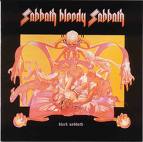
So Black Sabbath, despite being the godfathers of heavy metal were actually quite experimental in their day. Even if the cover depicts a writhing figure on a bed that is labeled 666!
[READ: December 7, 2009] “All That”
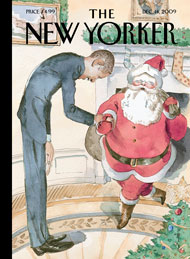
I was delighted to get the email from The New Yorker today which notified me that this new issue had fiction from DFW! What a nice surprise. The problem is that it’s going to be maddening deciding whether this is an excerpt from The Pale King or some other unfinished piece or what. [UPDATE: This did not make it into The Pale King].
I’ve learned from previous DFW pieces in The New Yorker not to assume that this is a short story. Which is good. Because as a short story it doesn’t have a very solid resolution. However, I think it is one of his best pieces of (short) fiction in quite a while.
I don’t want to spend time speculating about where this piece belongs or even comparing it to the other excerpts from The Pale King. But I can certainly see this character fitting in to a much longer narrative (and I rather hope that he is in The Pale King).
But enough of that.
This excerpt shows a character who admits he is neither an academic (like his father) nor very good with words. He is trying to relate a time from his childhood. Specifically, he talks about a cement mixer which he received when he was 5 or 6. At this point I must disagree with the narrator when he says that “There are little boys who like trains and little boys who like vehicles–I liked the latter”). My son likes both and often plays with both at the same time. But I suppose that in theory that dichotomy could be true.
Anyhow, the point is that the narrator loved this cement mixer. And one day, his mother told him that it was magical: she said the hopper, where the cement is kept, would spin when he dragged the truck by its rope. But only when he wasn’t looking. And so, he spent most of the next six months trying to “trick” the truck (which was nailed down and could never move) into revealing this magic trick.
While that’s a cute, if a little sad, story, the real power comes from the narrator’s analysis of his parents’ reason for telling him this and their anguish over watching their poor little boy try so hard to “see” something that didn’t exist.
It is this reflection about the narrator’s parents that is at the heart of this piece. And it is quite a treat to read his warm recollections of his childhood (that seems so rare in literature). The excerpt closes with a snapshot of father-son warmth which I thought was absolutely delightful. (Yes, the story resonated with me quite a bit).
No doubt in the full story, this character will have some pretty rough times (I mean, who is he reciting this story too? It’s got to be a counselor of some sort, right? He says he’s going to go back and re-edit the story later), and that’s what makes for great drama. But I was pleasantly surprised at how well this story moved along without any real external conflict.
As I said, I hope this is an excerpt; I look forward to finding out more about the context for this character.
It’s available here,

 I Just Read About That...
Leave a comment